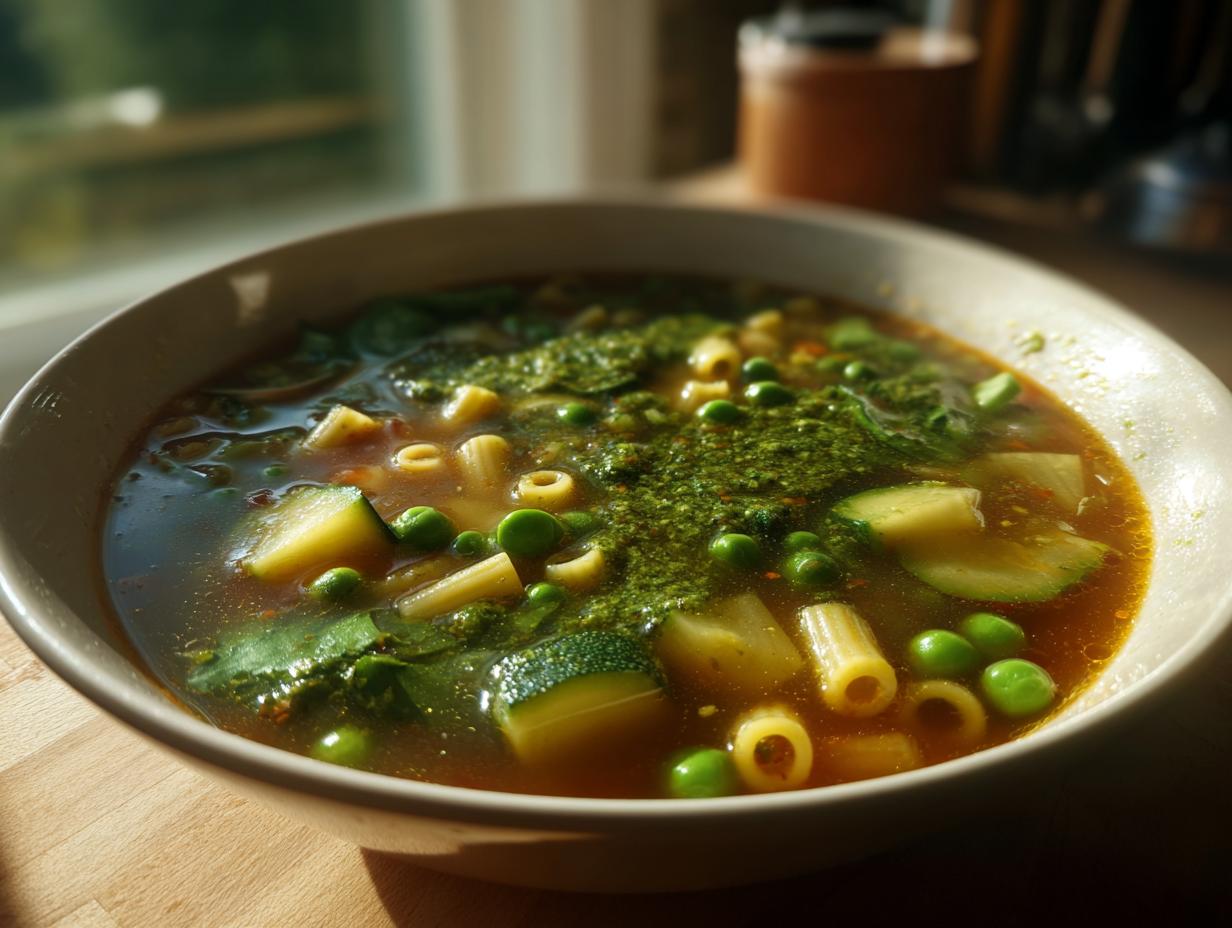
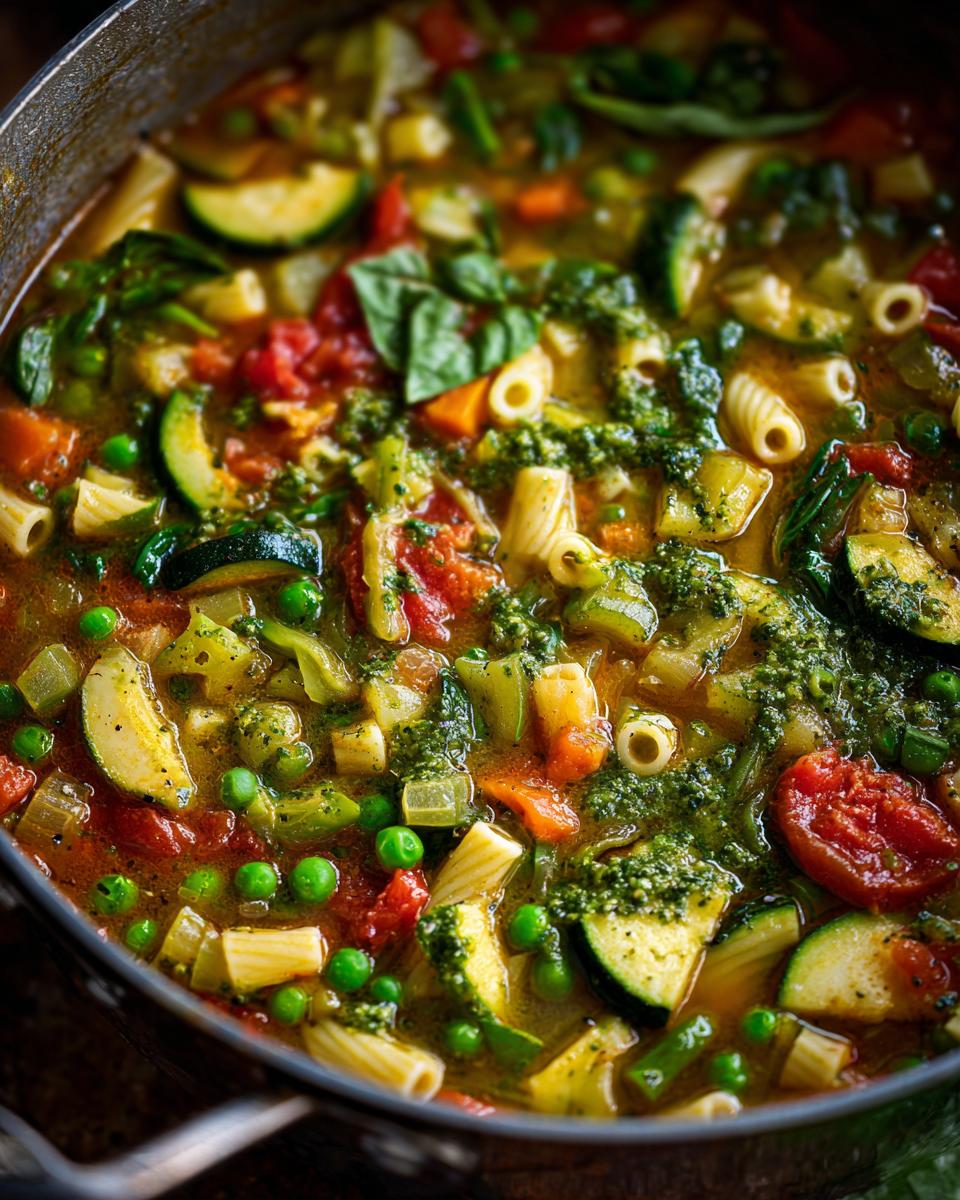
Oh my gosh, you are going to absolutely adore this soup! Forget those heavy, wintery stews; we are diving headfirst into the best kind of comfort food: a light and vibrant spring vegetable minestrone. Seriously, this recipe captures the essence of early spring produce. It’s packed with tender peas, bright zucchini, and just enough herby broth to make you feel incredibly nourished without feeling weighed down.
I’ve spent years trying to nail the perfect balance—something that tastes homemade and complex but comes together fast. That’s why I’m sharing exactly how I build flavor using simple, fresh ingredients. When you follow these steps, you’re tapping into real cooking expertise (you know, the stuff that actually works!) to create a genuinely fantastic bowl of soup. Trust me, this fresh take on minestrone is about to become your go-to when the weather finally warms up.
My Journey to the Best spring vegetable minestrone
When I first started cooking, soup felt intimidating. Everything seemed to require hours of simmering or obscure dried beans. I remember trying to make a minestrone once, and it ended up tasting like salty, watery sadness. I almost gave up on soup entirely!
But then spring would roll around, and I’d see how beautiful fresh greens and tiny new peas looked at the market. I realized I didn’t need a complicated 12-hour recipe—I just needed something quick that tasted *green*. This recipe was born out of that desperation for simplicity mixed with freshness. It’s the soup I make now when I want something comforting after a long day but don’t want to spend forever chopping.
Gathering Your spring vegetable minestrone Ingredients
Okay, let’s talk about what you need to pull this beautiful, light soup together. Since this is a spring recipe, we want everything to taste as fresh as possible. Don’t worry, we aren’t asking you to forage for wild ramps! Most of this stuff is easy to find, but the way you prepare it is what makes this spring vegetable minestrone shine.
You will need the basics like good olive oil and some sturdy aromatics, but then we load it up with the good stuff. Get your carrots, celery, and the star—the leeks—ready to go. You’ll also need canned tomatoes, broth (chicken or veggie, your call!), and those wonderful cannellini beans for body. The final punches of flavor come from fresh herbs, pesto, and lemon juice, so make sure you have those on hand!
Ingredient Clarity and Preparation Notes
To make sure your soup comes out perfect and you don’t have any surprises while cooking, pay close attention to these details. This is where I learned to be super specific in my own recipe writing! If you want more ideas on light meals, check out our low-calorie greek yogurt bagels.
- Leeks: You only want the white and light green sections, and they must be diced small. The dark green tops get too tough.
- Garlic: Don’t just smash it; you need it minced finely so it melts into the oil and doesn’t leave big, bitter chunks.
- Tomatoes: Use canned crushed tomatoes. They break down beautifully into the broth, giving us that lovely base color and richness.
- Beans: Make sure your cannellini beans are well rinsed and drained after you open the can. We don’t want that extra starchy liquid in our light broth!
- Pasta: Use a very small shape, like ditalini or tiny elbows. We want the pasta to be a little texture element, not the main event.
Essential Equipment for Your spring vegetable minestrone
You don’t need a million gadgets for this soup, thankfully! Having the right pot makes all the difference, though. You’ll want a good, big soup pot—something sturdy that can handle bringing a lot of liquid to a good boil without scorching.
Here is the short list of tools I always pull out:
- A large soup pot or Dutch oven.
- A sharp knife and cutting board for all that dicing.
- A sturdy wooden spoon for stirring the base.
- A colander for rinsing those beans!
Step-by-Step Instructions for spring vegetable minestrone
Here we go! This is where the magic really happens, but remember, we are moving fast because this is a quick soup. Don’t rush the first few steps, though; that flavor base is crucial! I always have my cutting board cleared and my ingredients measured out before I even turn on the stove. It keeps everything running smoothly, especially when we start adding liquids.
Building the Flavor Base
First things first, get that olive oil warming up in your big pot over medium heat. We aren’t preheating the oven here, but we are preheating the pot for our vegetables! Toss in your diced leeks, carrots, and celery. You need to let them sweat it out for about six to seven minutes until they start looking soft and not so raw. That’s the foundation, so give it time!
Once they’ve softened up nicely, toss in your minced garlic, the fresh thyme, salt, and pepper. Stir that around actively for just one minute. You want to smell that garlic, but watch it like a hawk—garlic burns fast, and burnt garlic tastes bitter, which we absolutely cannot have in this light soup.
Simmering the Broth and Tender Vegetables
Now it’s time to build the liquid! Pour in your can of crushed tomatoes, the six cups of broth, and drop in that bay leaf. Get the heat up until it boils hard, and then immediately knock it down to a gentle simmer. Let that simmer away for a good fifteen minutes. This gives the carrots a chance to get tender and lets those aromatics really marry the tomatoes.
After that first simmer, it’s time for the quick-cooking veggies. Add in your diced zucchini and your peas. Let this simmer for another ten minutes. You are looking for the zucchini to be fork-tender, not mushy! We want texture here, remember?
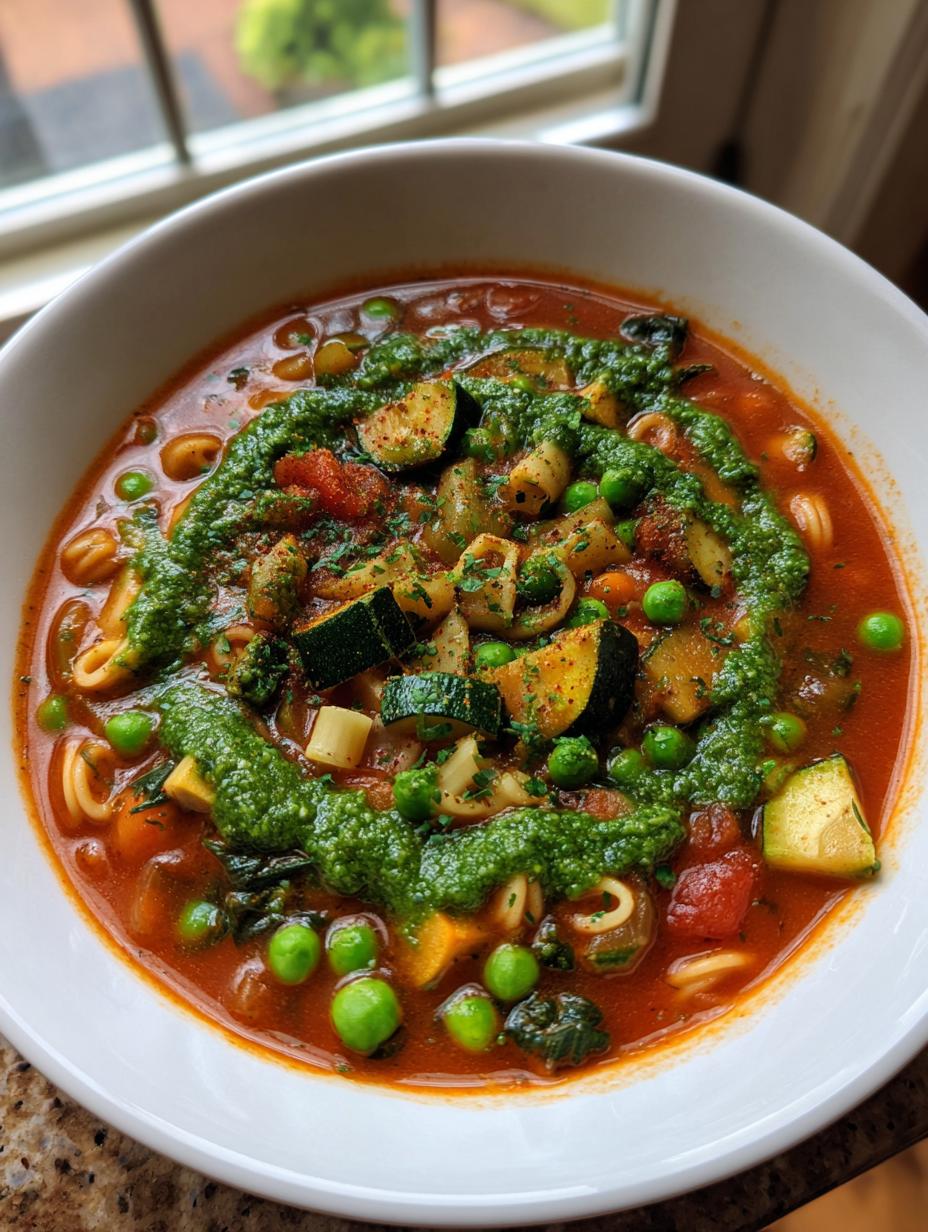
Finishing Touches for Your spring vegetable minestrone
While those vegetables are finishing up, you should have cooked your small pasta separately in salted boiling water until it’s perfectly al dente. Drain it well and add it straight into the soup pot. Next, stir in your rinsed cannellini beans and the big pile of spinach or arugula. Stir just until those greens wilt down—that happens in like thirty seconds, seriously.
This is my favorite part: Take the pot completely off the heat! Adding the pesto and lemon juice while it’s boiling hot can dull their bright flavor. Stir in your two tablespoons of basil pesto and the fresh lemon juice. Give it a good taste test. Does it need more salt? A tiny squeeze more lemon? Adjust it now! Then, just ladle it out and top it with fresh basil and that grated Parmesan cheese.
Tips for Guaranteed spring vegetable minestrone Success
Even though this is a fast recipe, a few little tricks will make the difference between a good soup and a truly great one. Don’t skip these notes, especially if you are new to making soup from scratch! If you are looking for more quick dinner ideas, check out our recipe for quick char siu chicken magic.
- Always cook your pasta separately! If you cook it directly in the broth, it releases too much starch and turns your beautiful light broth cloudy and thick. Plus, leftover pasta gets mushy fast.
- When you add the pesto and lemon juice, pull the pot totally off the burner first. Heat kills the brightness of fresh lemon and basil. We want that pop of flavor right at the end.
- Don’t overcook the zucchini or peas. They are quick-cooking vegetables, and if you let them simmer past the 10-minute mark in Step 4, they turn into sad, mushy little green things. We want firmness!
- Use good quality broth. Since this is a light soup, the broth carries so much of the flavor. If your broth is weak, your minestrone will be weak.
Customizing Your spring vegetable minestrone
This recipe is fantastic because it’s so flexible, but we have to be careful not to weigh down our beautiful spring vegetable minestrone. If you want to swap out a vegetable, stick to things that cook quickly. Asparagus tips cut into one-inch pieces are amazing if they are in season! Or, if you want a little more green, try adding some chopped kale instead of spinach, but give it an extra minute or two to wilt down.
For herbs, thyme is my go-to, but if you have fresh oregano, use that instead—just a half teaspoon should do the trick. Skip the heavy dried spices like cumin or smoked paprika; they pull the soup into winter territory. If you want a little kick without losing the fresh feel, try adding a tiny pinch of red pepper flakes right when you add the garlic. It warms things up without overpowering the delicate vegetables! For more inspiration on flavorful cooking, follow us on Facebook.
Storing and Reheating Leftover spring vegetable minestrone
This soup is even better the next day, but because we added pasta and tender greens, you have to be careful when you reheat it. Don’t just throw the whole pot back on the stove and boil it! That will turn your zucchini into baby food and your pasta into mush.
Store any leftovers in an airtight container in the fridge. It keeps beautifully for about three to four days. When you are ready to eat it, the secret is to reheat it gently on the stovetop over low heat, adding a splash of extra broth or water if it seems too thick from the pasta absorbing liquid overnight.
Here is the best way to manage leftovers:
| Goal | Method |
|---|---|
| Reheating | Low heat on the stovetop; add extra broth as needed. |
| Freezing | Freeze broth/veggie base only; add fresh pasta when reheating. |
| Storage Time | 3 to 4 days in the refrigerator. |
Frequently Asked Questions About spring vegetable minestrone
I get so many questions about tweaking this recipe, and honestly, that’s a sign you’re doing it right! People always ask about making it heartier or ensuring it stays light. Here are the top things I hear from other home cooks about their spring vegetable minestrone.
Q1. Can I make this soup completely vegetarian?
Absolutely! The recipe calls for either vegetable or chicken broth, so if you use vegetable broth, you already have a perfect vegetarian minestrone. Just make sure the basil pesto you use doesn’t contain Parmesan made with animal rennet if you need it strictly vegetarian. Mine usually is!
Q2. I love greens! Can I add more spinach than the recipe calls for?
You certainly can! If you want a really robust green flavor, feel free to double the spinach amount. Since it wilts down so much, it won’t change the texture of this light soup at all. Just add it right at the end with the beans.
Q3. My carrots and celery ended up tasting a little raw. What went wrong?
That usually means you rushed the first step! Those veggies need a good six to seven minutes sweating in the oil before you add the garlic. If they aren’t softened first, they stay crunchy after you add the broth. Patience in that first step is key to tender vegetables!
Q4. Can I skip cooking the pasta separately?
I strongly advise against it! If you cook the pasta right in the pot, it releases starch that makes the broth cloudy and thickens it too much, losing that lovely light soup quality we are going for. Plus, leftovers get gummy fast if the pasta cooks in the broth. For more recipe ideas, see what we are pinning on Pinterest.
Understanding the Estimated Nutrition of spring vegetable minestrone
I always try to keep this soup as light as possible, which is why it’s such a great option for a weeknight meal. Knowing the rough nutritional breakdown helps me plan the rest of my dinner, right? Since we are using fresh vegetables, beans, and a small amount of olive oil, it balances out really nicely.
Remember, these numbers are just estimates based on my recipe notes and the standard yield of six servings. If you load up on extra Parmesan or use a much richer broth, those numbers will shift a little bit, so take this as a helpful guide!
| Nutrient | Estimated Amount Per Serving |
|---|---|
| Calories | 280 |
| Fat | 9g |
| Protein | 12g |
| Carbohydrates | 35g |
This chart gives you a quick snapshot. See? It’s low in calories but still gives you satisfying protein from those cannellini beans. That’s what I love about this spring vegetable minestrone—it feels good to eat! If you are interested in reading more of my thoughts on cooking, check out my posts on Medium.
Print
Amazing 280-cal spring vegetable minestrone
- Total Time: 50 minutes
- Yield: 6 servings
- Diet: Vegetarian
Description
A light spring vegetable minestrone featuring tender peas, zucchini, and spinach in an herby broth. Finish this fresh soup with a splash of lemon and basil pesto.
Ingredients
- 2 tablespoons olive oil
- 1 cup diced leeks (white and light green parts only)
- 1 cup diced carrots
- 1 cup diced celery
- 3 cloves garlic, minced
- 1 teaspoon chopped fresh thyme
- 1 teaspoon salt
- ½ teaspoon black pepper
- 1 (28 oz) can crushed tomatoes
- 6 cups vegetable or chicken broth
- 1 bay leaf
- 1 cup diced zucchini
- 1 cup fresh or frozen green peas
- 1 (15 oz) can cannellini beans, rinsed and drained
- 1 cup small pasta (ditalini or elbow)
- 4 cups baby spinach or arugula
- 2 tablespoons basil pesto
- 2 tablespoons fresh lemon juice
- Fresh basil for serving
- Grated Parmesan for serving
Instructions
- Heat olive oil in a large soup pot over medium heat. Add leeks, carrots, and celery. Sauté for 6–7 minutes until softened.
- Stir in garlic, thyme, salt, and pepper. Cook 1 minute until fragrant.
- Add crushed tomatoes, broth, and bay leaf. Bring to a boil, then reduce heat and simmer 15 minutes.
- Add zucchini and peas. Simmer for another 10 minutes until vegetables are tender.
- Cook pasta in salted boiling water until al dente. Drain and add to the soup.
- Stir in cannellini beans and spinach until the greens wilt.
- Remove from heat. Stir in pesto and lemon juice.
- Taste and adjust seasoning with more salt or lemon if needed.
- Serve warm, topped with fresh basil and Parmesan cheese.
Notes
- To make it heartier, add cooked chicken or turkey sausage just before serving.
- Prep Time: 15 minutes
- Cook Time: 35 minutes
- Category: Soup
- Method: Stovetop
- Cuisine: Italian-inspired