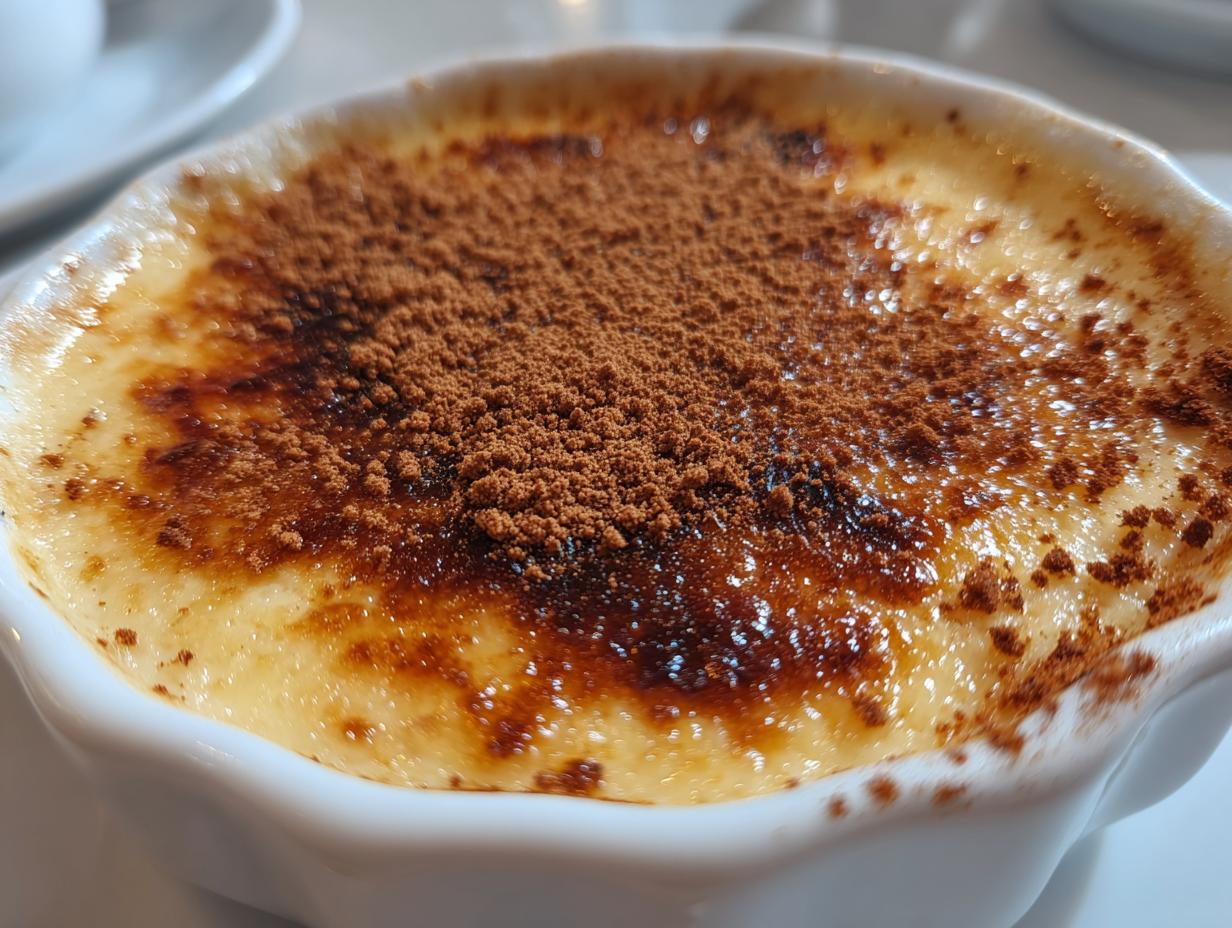
When I first started baking, custards felt like this mystical, high-stakes dessert that would surely end in scrambled eggs. Seriously, I ruined three batches before I figured out the secret! But I promise you, this recipe for baked custard is the one that changed everything for me. It’s so simple—just milk, eggs, sugar, and vanilla—but the result is unbelievably silky and creamy. It’s proof that you don’t need fancy techniques to make something truly luxurious.
This dessert is my go-to when I need a comforting classic. I remember making this for my neighbor when she was recovering from the flu last winter; the smell of warm vanilla filling my kitchen was just so comforting. Because this recipe relies on the gentle heat of a water bath, it practically babysits itself in the oven. If you’ve ever been intimidated by desserts that require precision, trust me, this easy comfort dessert is where you build your confidence!
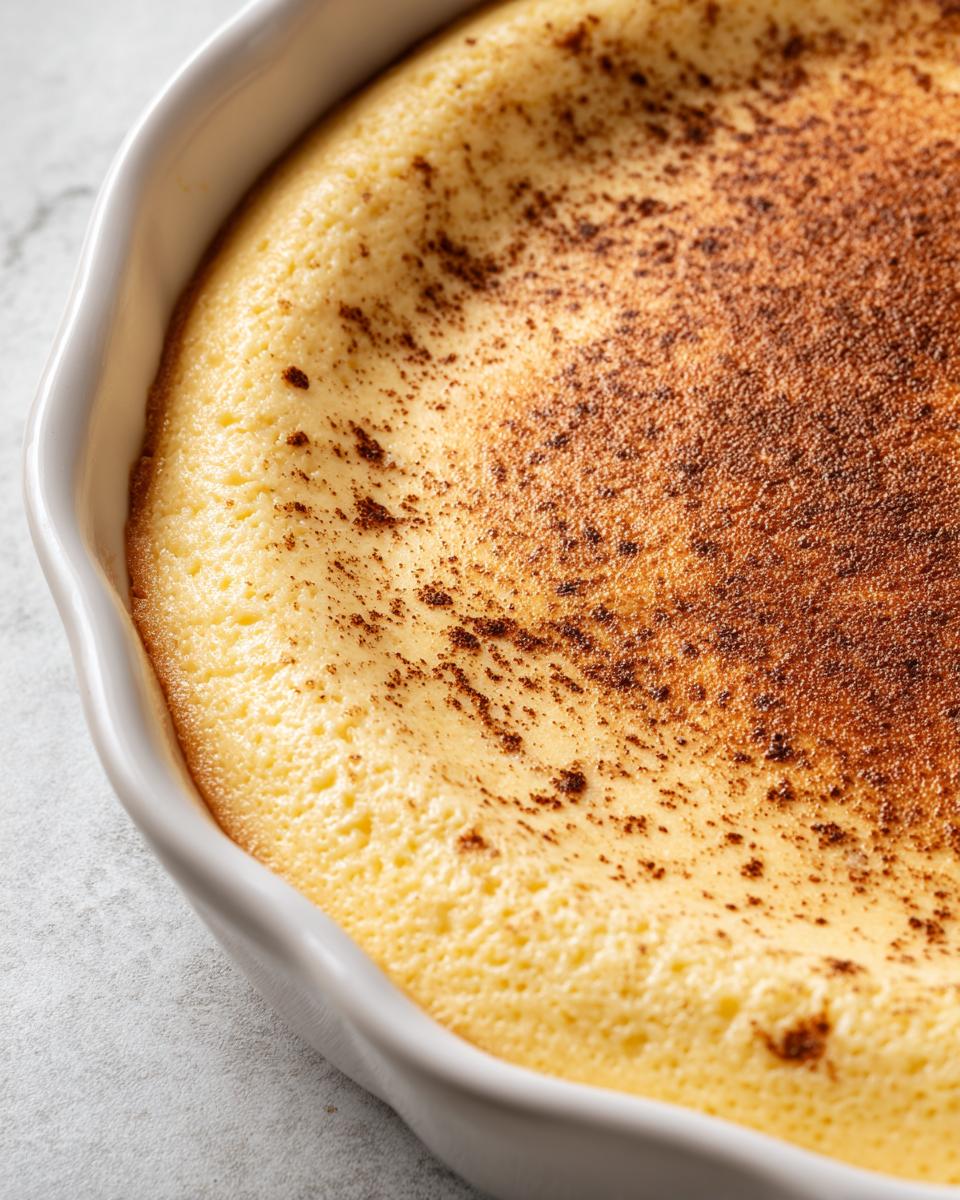
Ingredients for Your Creamy Baked Custard
Getting the right ingredients is half the battle when making a perfect baked custard. You want that smooth, melt-in-your-mouth texture, and that starts right here. Don’t try to skimp on the quality of your vanilla or milk, because the flavor really shines through in a dessert this simple!
Essential Components for Baked Custard
- 4 large eggs
- 4 cups whole milk
- 1/2 cup granulated sugar
- 1 teaspoon pure vanilla extract
- 1/4 teaspoon salt
- 1/4 teaspoon ground nutmeg
- Fresh berries for serving (optional)
Ingredient Notes and Substitutions for Baked Custard
Please use whole milk if you can. Skim or low-fat milk just won’t give you the richness needed for this creamy baked custard. And definitely go for pure vanilla extract—that imitation stuff tastes artificial here! If you don’t have nutmeg, a tiny pinch of cinnamon works, but nutmeg really ties the flavor profile together.
Equipment Needed for Perfect Baked Custard
You don’t need a ton of fancy gadgets for this baked custard, which is another reason I love it for beginners! But you do need a few key pieces to ensure that silky texture we’re aiming for. First, grab a sturdy whisk and a large mixing bowl. You’ll want a small saucepan for warming the milk, too.
The most important tools are the dishes. You’ll need a 1\u00bd-quart round baking dish for the custard itself, and crucially, a larger roasting pan or deep baking dish to create that water bath. Oh, and don’t forget a fine mesh sieve! Seriously, straining is non-negotiable for the smoothest baked custard.
Step-by-Step Instructions: How to Make Baked Custard
Okay, this is where the magic happens, but we have to be gentle! We are making a delicate baked custard here, so rushing the mixing part is the quickest way to end up with something that tastes like sweet scrambled eggs. Pay attention to the details here, and you’ll nail it.
Preparing the Base Mixture
First things first, get your oven set to 350\u00b0F and put a wire rack in a good spot. Next, we warm the milk. You just want to heat it on the stove until you see tiny little bubbles starting to form around the edges—don’t let it boil, or you’ll mess up the texture later! Set that aside to cool just a tiny bit.
In a big bowl, whisk your eggs, sugar, and salt together. The key here is to get them smooth, but stop before they get all foamy and bubbly. Foam is the enemy of creamy custard! Once that’s done, you slowly, slowly pour that warm milk into the eggs while you whisk constantly. I mean it—drizzle it in like you’re trying not to wake a sleeping baby! Stir in the vanilla last.
Now for the essential step: strain it! Pour that whole mixture through a fine mesh sieve right into your 1\u00bd-quart baking dish. This catches any tiny bits of cooked egg or unmixed sugar. Then, just sprinkle the nutmeg right over the top evenly. Don’t stir it in now!
Setting Up the Water Bath for Baked Custard
The water bath, or *bain-marie*, is what keeps your baked custard from cracking or curdling. It’s your insurance policy! Place your custard dish inside a larger roasting pan. You want the water to come about halfway up the sides of your custard dish. This cushions the heat and ensures everything cooks slowly and evenly.
Be careful when adding the water—it’s easiest to pour the hot water into the outer pan once it’s already sitting on the counter, not once it’s in the oven, because sloshing hot water is just asking for trouble! Once the water is in place, carefully transfer the whole setup onto the oven rack.
Baking and Cooling Your Baked Custard
Bake this beauty for about 55 to 60 minutes. You’ll know it’s done when a knife inserted near the center comes out clean, but the very center still jiggles slightly, like Jell-O. If it’s rock solid when you check, it’s probably overdone! Immediately take the custard dish out of that hot water bath and set it on a wire rack to cool down for a good 30 minutes.
Resist the urge to eat it warm! You must chill this completely—at least two hours, but honestly, overnight is best for the ultimate texture. Once it’s fully chilled, it’s ready to serve plain or dressed up with some fresh fruit!
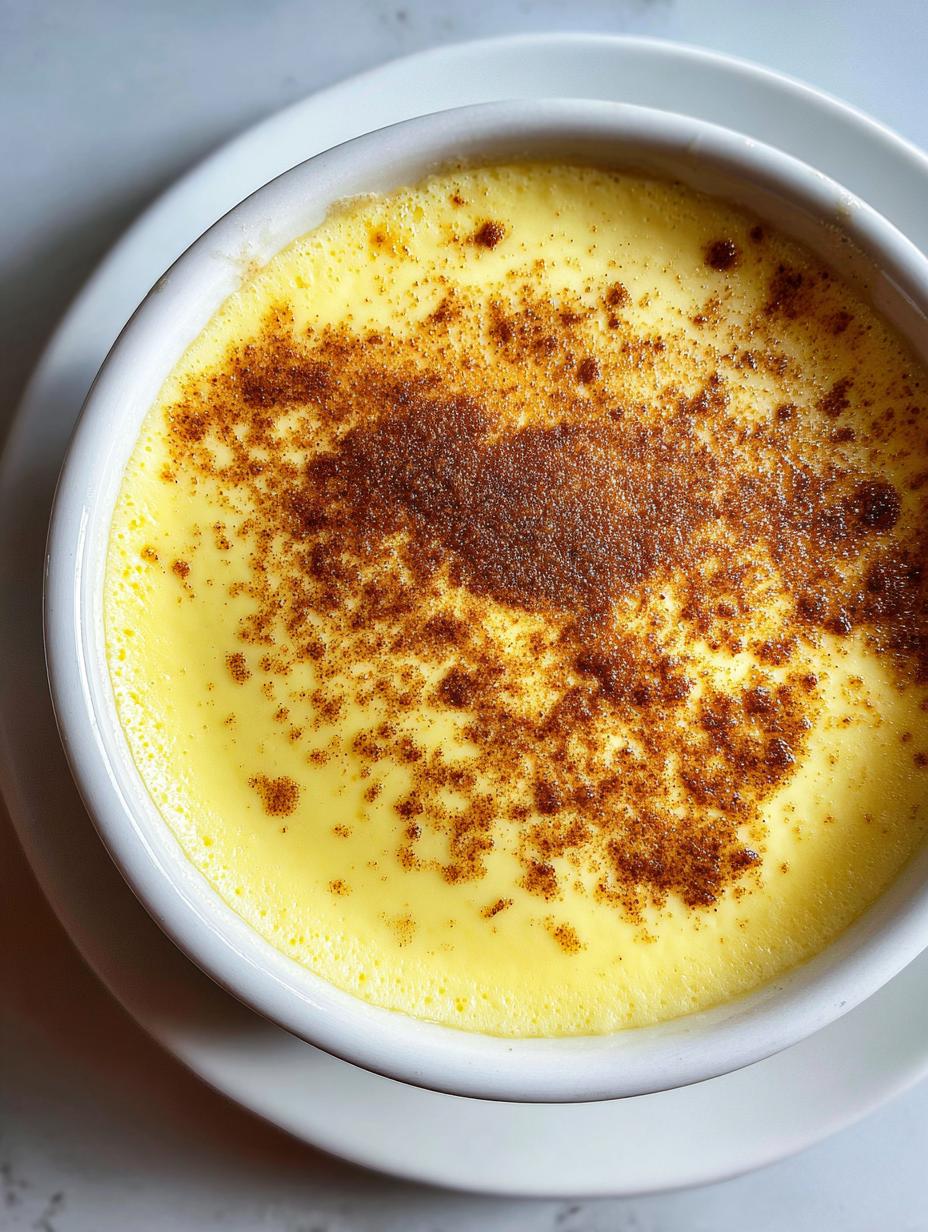
Tips for Success When Making Baked Custard
I’ve learned a few hard lessons making this creamy baked custard over the years, and I want to save you the trouble! The biggest mistake people make is skipping the straining step. Seriously, don’t think you can get away without it. That fine mesh sieve is your best friend for catching any tiny bits of egg that coagulate too fast. That’s the secret to avoiding those little white specks.
Another thing: temperature control during the milk warming is vital. If you boil the milk, it changes the way it interacts with the eggs, and your baked custard might come out grainy instead of silky. Watch it carefully until those little bubbles just start kissing the edges of the pan.
And please, when it comes out of the oven, get it out of that water bath immediately! Leaving it sitting in residual heat will continue to cook the edges while the center is still soft, leading to uneven texture. Patience during the chilling phase is also key. If you try to serve it before it’s fully set after chilling, it will look sloppy and won’t have that perfect, clean slice. Give it time to firm up!
Serving Suggestions for Your Simple Dessert
This creamy dessert is honestly perfect all by itself. The pure vanilla and nutmeg flavors are so comforting, and it doesn’t need much help. But if you want to dress it up for company or just feel a little fancy, I have a couple of ideas that really complement the texture.
Since the custard is so rich and smooth, you want something bright and acidic to cut through it. Fresh berries are my absolute favorite pairing! Raspberries, blueberries, or sliced strawberries sprinkled right over the top add a lovely pop of color and freshness. That little bit of tartness is just divine against the sweet vanilla.
If you want something a little more decadent, try a drizzle of caramel sauce—but just a thin one! Or, you can grate a tiny bit of fresh orange zest right over the top before serving. It gives it this wonderful, unexpected aromatic lift. Keep it simple, though; too many toppings can hide how perfectly smooth your baked custard turned out!
Storing and Reheating Your Baked Custard
One of the best things about making a homemade baked custard is that it tastes even better the next day! Since this is a delicate egg-based dessert, you need to treat it right when putting it away. Once it’s completely chilled, cover the baking dish tightly with plastic wrap. I usually press a layer of plastic wrap directly onto the surface of the custard first, just to prevent any skin from forming or absorbing fridge odors.
It keeps wonderfully in the refrigerator for up to four days. Don’t even think about reheating this! Custard is meant to be eaten cold or chilled. Trying to warm it up will just break the structure and turn it into soup. Pull it out about 15 or 20 minutes before you plan to serve it so it’s not ice-cold, especially if you’re adding fresh fruit!
Here’s a quick rundown of how long it lasts:
- Serving Temperature: Best served cold or slightly cooler than room temperature.
- Storage Duration: Up to 4 days in the refrigerator.
- Reheating: Do not reheat; it ruins the texture.
Frequently Asked Questions About Baked Custard
I get so many questions whenever I post this recipe, and honestly, most of them circle back to texture! People are worried about ruining their baked custard, and I totally get it. Here are the things I hear most often:
Q1. Why is my baked custard grainy or curdled instead of smooth?
This almost always means one of two things: either your milk was too hot when you added it to the eggs, or you didn’t use the water bath. That gentle steam from the water bath is the only way to cook the eggs slowly enough to stay creamy. If it’s grainy, it means the eggs cooked too fast! Next time, make sure you warm that milk gently and strain everything twice.
Q2. Can I use different spices instead of nutmeg in my vanilla custard?
You absolutely can experiment! Nutmeg is traditional because its earthy warmth pairs so well with the milk and vanilla, but if you want a twist, try a small amount of ground cardamom—it’s lovely! Or, you can skip the spice entirely and add a splash of almond extract along with the vanilla. Just remember, spices are potent, so start small!
Q3. How can I tell exactly when my baked custard is done baking?
This is the trickiest part! Don’t just rely on a toothpick test; you need the jiggle test. When you gently shake the pan, the edges should look set, but the center third should still wobble slightly, like very firm gelatin. If the whole thing is firm, you’ve baked it too long, and it won’t be as creamy. Remember to pull it out right when it has that slight tremble!
Q4. What happens if I forget to warm the milk first?
If you dump cold milk into your room-temperature eggs, you risk shocking them! The eggs won’t incorporate smoothly, and you’ll likely end up with streaks of cooked egg white floating around. Plus, if the milk isn’t warm, you might have to whisk the eggs longer, which brings us back to that dreaded foam. Always warm that milk first!
Share Your Simple Dessert Experience
I’m always so eager to hear how my simple baking adventures turn out for you! Did this easy comfort dessert turn out silky smooth on your first try? Let me know in the comments below how your baked custard turned out. I love seeing your photos and hearing what you served it with! Share your experience!
Print
Amazing 1 Baked Custard Success Secret
- Total Time: 1 hour 10 minutes
- Yield: 10 servings
- Diet: Vegetarian
Description
Make this smooth, creamy baked custard with eggs, milk, sugar, and vanilla. This easy comfort dessert bakes in about an hour, resulting in a silky texture.
Ingredients
- 4 large eggs
- 4 cups whole milk
- 1/2 cup granulated sugar
- 1 teaspoon pure vanilla extract
- 1/4 teaspoon salt
- 1/4 teaspoon ground nutmeg
- Fresh berries for serving (optional)
Instructions
- Preheat oven to 350°F. Set a wire rack near your workspace.
- Warm milk in a small saucepan over medium heat until small bubbles form at the edges. Remove from heat.
- In a large bowl, whisk eggs, sugar, and salt until smooth but not foamy.
- Slowly pour the warm milk into the egg mixture while whisking constantly. Stir in vanilla.
- Strain the mixture through a fine mesh sieve into a 1½-quart round baking dish. Sprinkle nutmeg evenly on top.
- Place the baking dish inside a larger pan. Pour hot water into the outer pan until it reaches halfway up the sides of the custard dish.
- Carefully transfer to the oven and bake for 55 to 60 minutes, or until a knife inserted near the center comes out clean and the custard jiggles slightly.
- Remove the custard dish from the water bath immediately and cool on a wire rack for 30 minutes.
- Refrigerate for at least 2 hours or until thoroughly chilled.
- Serve cold, plain or with fresh berries on top.
Notes
- Baking in a water bath ensures the custard cooks evenly and stays creamy.
- Do not allow the egg mixture to become foamy when whisking.
- Chill completely for the best texture.
- Prep Time: 10 minutes
- Cook Time: 60 minutes
- Category: Dessert
- Method: Baking (Water Bath)
- Cuisine: American