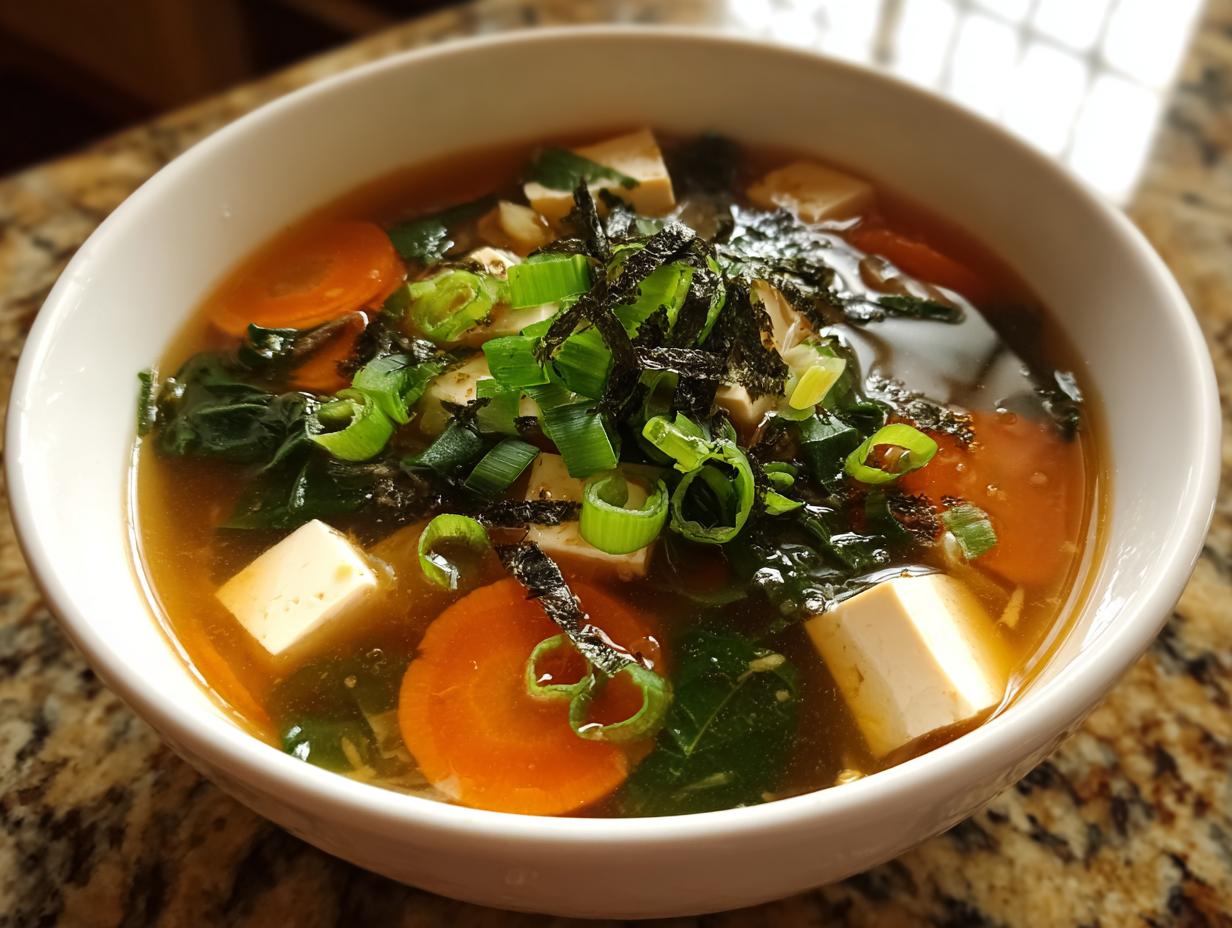
Oh my goodness, you have to try this recipe! I’m telling you, if you think making real, honest-to-goodness miso soup at home is complicated, you are so wrong. I whipped this up last night when I realized I only had about twenty minutes before I was starving, and wow, it hit the spot perfectly.
This isn’t one of those fussy recipes that requires you to hunt down a dozen obscure ingredients. Nope! This is my go-to for a light lunch or when I need a comforting side dish in a flash. We’re talking about soft tofu, vibrant spinach, and that savory broth, all coming together faster than ordering takeout.
The magic here, like in all my best recipes, is keeping things simple and respecting the ingredients. We’re using vegetable broth to keep it vegetarian-friendly, but trust me, the flavor payoff is huge for such little effort. You’re going to feel like a pro, even if this is your very first time making miso soup. Seriously, grab your pot—we’re ready to go!
Gather Your Ingredients for Authentic Miso Soup
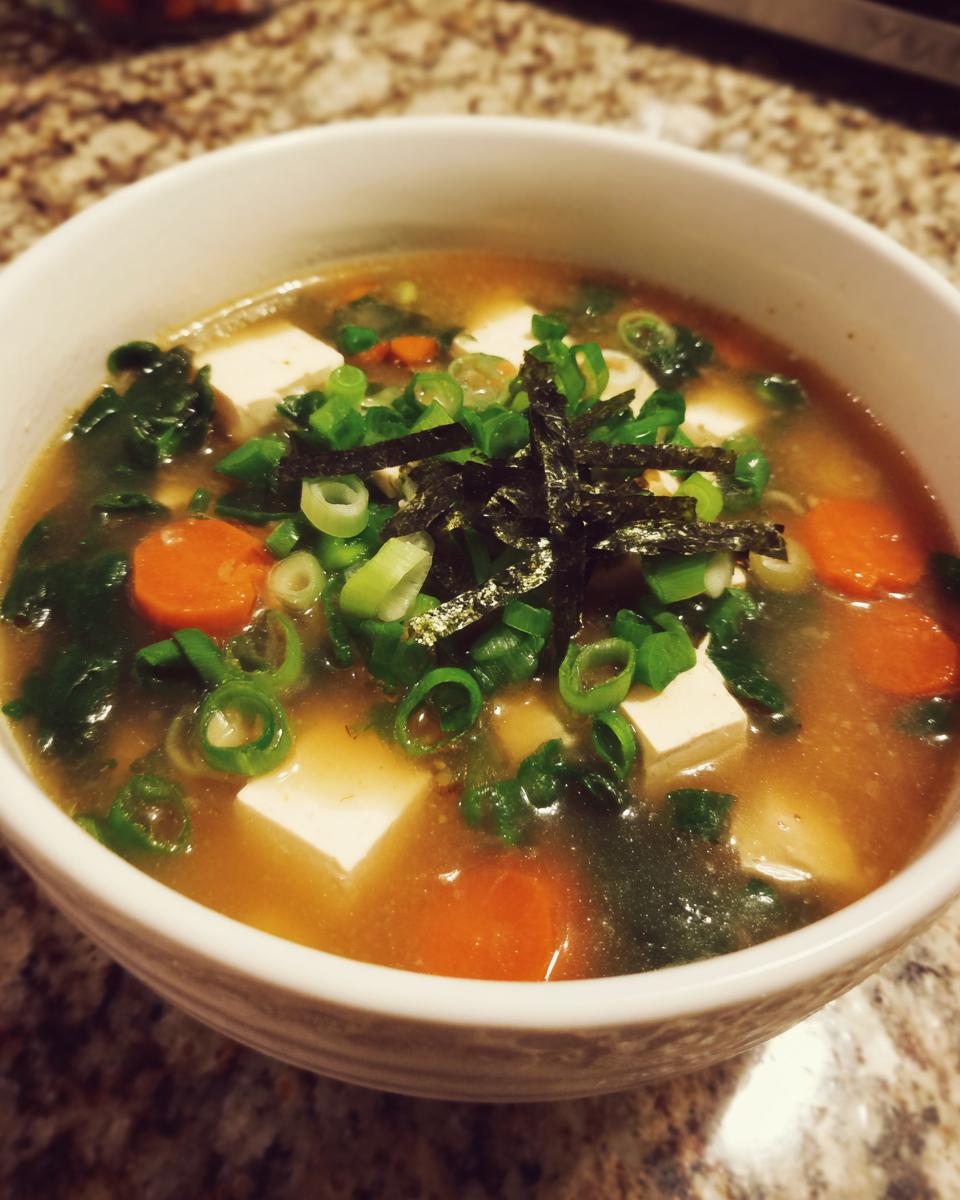
I love how straightforward the ingredient list is for this miso soup. You probably have half of this stuff in your pantry right now! The secret to making it taste authentic—that deep, savory flavor—comes from getting just a few key items right. Don’t let the Japanese name scare you; this is truly beginner-friendly. We just need some good broth, some fresh bits, and that essential miso paste.
It comes together so fast because we aren’t doing any fancy dashi stock here; we’re relying on quality vegetable broth to move things along. Everything is chopped quickly, and then boom—dinner is served! Here is exactly what you need to pull this perfect little soup together.
Essential Components for Miso Soup
- 4 cups low sodium vegetable broth (Keep it low sodium so we can control the saltiness later!)
- 1 large carrot that you’ll slice into thin, pretty coins.
- 14 ounces soft tofu—make sure you drain it well before cubing it up.
- 2 cups fresh baby spinach; don’t worry about chopping this!
- 2 green onions, which we’ll slice thinly, keeping the white parts separate from the green tops.
- 1 sheet dried seaweed nori—this adds that lovely ocean flavor.
- 3 tablespoons white miso paste (This is our flavor powerhouse!).
- 3 tablespoons warm water—this is crucial for mixing the paste later.
Equipment Needed for Your Miso Soup
You really don’t need a fancy kitchen setup for this! Since we are moving fast, we just need the basics to get everything prepped and cooked. Forget specialized tools—if you can chop and stir, you can make this soup perfectly. It’s all about simplicity, remember?
Simple Tools for Perfect Miso Soup
- A nice, large pot for simmering all our broth.
- A sturdy cutting board and a sharp knife for slicing.
- Kitchen shears are handy for snipping that seaweed sheet!
- A small bowl and a whisk for mixing up the miso slurry.
Step-by-Step Instructions for Making Miso Soup
Okay, now for the fun part! We’re going to move through these steps quickly, but I want you to pay attention to the heat control later on—that’s the secret to keeping your miso soup tasting bright and fresh. This whole thing takes about twenty minutes from start to finish, so get your chopping board ready!
Preparing the Vegetables and Tofu
First things first, let’s get our little bits ready. Take that big carrot, peel off the skin—no need to be too neat, we’re cooking it down anyway—and slice it into thin, little coins. Try to keep them uniform so they cook evenly. Next, drain your soft tofu really well; you don’t want excess water diluting our broth later. Cut that block into nice half-inch cubes. They should be little pillows floating in the soup, so don’t make them too big!
Now for the green onions. This is important: slice them thinly, but separate the white parts from the green leafy tops. The whites go in early to flavor the broth, and the green tops are saved for the very end as a fresh garnish. Lastly, grab that sheet of nori. Don’t try to cut it with a knife; use kitchen shears to snip it into thin little strips—maybe an inch long. They look so cute floating on top!
Simmering the Broth Base
Time to get the heat on! Pour all four cups of your low-sodium vegetable broth right into that big pot. Set the heat to medium and let it come up to a gentle simmer. Once it’s steaming nicely, toss in your carrot coins and those reserved white parts of the green onions. We need to let those carrots cook until they just start to get tender. This usually takes about five minutes. You want them soft, but not mushy—we’re not making baby food here!
Creating the Miso Slurry
While the carrots are softening up, we need to handle the miso paste. This step is non-negotiable if you want smooth soup! Put your three tablespoons of white miso paste into that small bowl. Now, pour in the three tablespoons of warm water. I stress warm, not hot, water! If the water is too hot, it can actually start to cook the delicate enzymes out of the miso paste, and we want all those good probiotics intact, right? Whisk it really well until it looks like a smooth, creamy sauce with absolutely no lumps whatsoever. It should look almost like thin gravy.
Finishing Your Miso Soup
Once the carrots are tender, turn the heat down low. This is the most important temperature check for your miso soup: the broth should be barely steaming, maybe just a little ripple on the surface, but it absolutely cannot be boiling when the miso goes in. Gently slide in your cubed tofu and those two big cups of spinach. Let that wilt down—it happens fast, maybe two or three minutes until the spinach is completely softened and the tofu is warmed through. Immediately remove the pot from the heat source! Now, pour in your smooth miso slurry and stir it gently but thoroughly until it’s all incorporated. Ladle it into your bowls right away, and top each serving with those fresh green onion tops and a sprinkle of the nori strips. Enjoy that beautiful, quick bowl of comfort!
Tips for Making the Best Miso Soup Every Time
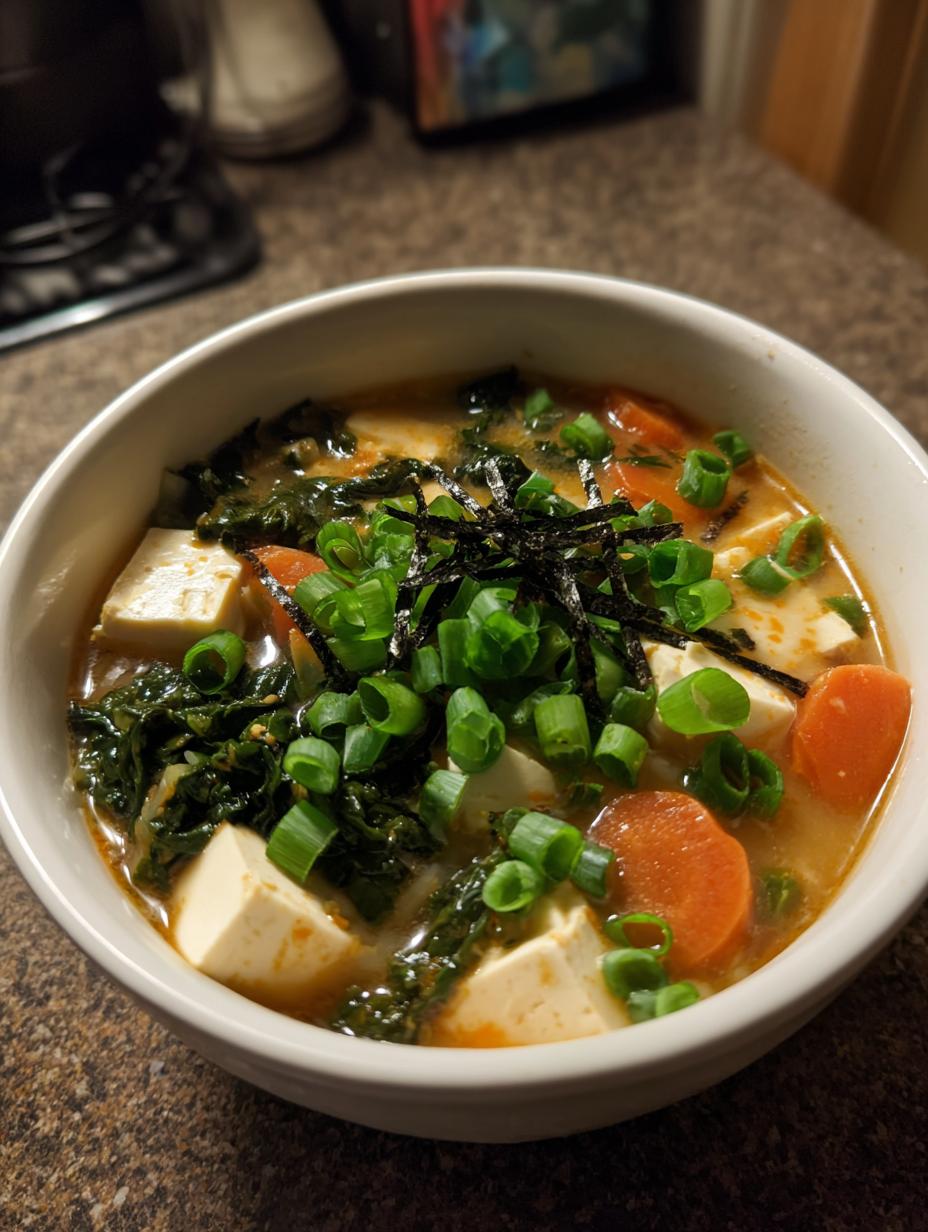
Even though this recipe is super fast, there are a few little things I’ve learned over the years that take your miso soup from good to absolutely fantastic. These are the little secrets that make sure the texture and flavor are always spot-on, just like you’d get at a great little shop in Japan.
Handling Miso Paste Correctly
Okay, I know I mentioned this before, but I can’t stress it enough: never, ever boil your miso paste! When you add the dissolved miso mixture to the pot, you must pull the pot completely off the heat first. Boiling destroys those beneficial probiotics that make miso so great for your gut. It also dulls the flavor, making your miso soup taste flat instead of rich and savory. Keep that heat low or turn it off entirely before stirring it in; that’s my number one rule.
Ingredient Substitutions in Miso Soup
Feel free to customize this! If you don’t have carrots, thinly sliced mushrooms—like shiitake—work beautifully and add a meaty texture to your miso soup. Instead of spinach, I’ve used wilted Napa cabbage in a pinch, but make sure you add it early because it takes a bit longer to soften. If you can’t find soft tofu, medium-firm works, but be super gentle when you stir it in so it doesn’t crumble apart. Just remember that the miso paste is the soul of the dish, so don’t mess with that part too much!
Frequently Asked Questions About Miso Soup
When I first started making miso soup, I had so many questions bubbling up, just like my broth! It’s totally normal to wonder about the little details when you’re working with new ingredients. Here are the things people always ask me about this quick recipe.
Can I prepare this Miso Soup ahead of time?
You absolutely can prep most of it ahead of time, but there’s a big catch, and it involves that miso paste! You can chop all your vegetables and cube your tofu and keep them ready in the fridge. You can even cook the carrots in the broth base and let that cool down. However, you should *never* dissolve the miso paste until right before you plan to eat it. If you store dissolved miso, it loses its flavor and those good probiotics we talked about. So, prep everything else, but mix the miso right at the end!
What kind of tofu works best for Miso Soup?
For this recipe, I insist on soft tofu—it’s my favorite! Soft tofu is delicate, it heats through instantly, and it has that wonderfully creamy texture that melts in your mouth alongside the spinach. If you use firm or extra-firm tofu, it will hold its shape much better, which some people prefer, especially if they are reheating leftovers. Just be extra gentle when stirring if you opt for a firmer block, because you don’t want those cubes breaking up into little tofu pebbles!
Why is my Miso Soup cloudy?
If your miso soup looks cloudy or opaque, that’s actually a good sign! It means you did it right. Miso paste is made from fermented soybeans, and when it dissolves into the hot water, it naturally emulsifies, creating that signature creamy, cloudy appearance. If your broth was perfectly clear, it would probably mean you didn’t mix the miso in thoroughly, or maybe you used too little paste. A nice cloudy broth means the flavor is fully distributed!
Storing and Reheating Your Miso Soup
Don’t let any of that delicious miso soup go to waste! It’s fantastic as a lunch the next day, but you have to handle the leftovers correctly because of that delicate miso paste. We want to keep the flavor vibrant and safe, so follow these quick guidelines for storage.
The key thing to remember is that miso should not be kept sitting in the broth for long periods once it’s been dissolved. If you know you won’t finish the whole pot, it’s best to portion out what you want to save right away.
Storing Leftover Miso Soup
If you have leftovers, get them into an airtight container within two hours of cooking, just to be safe. You can totally keep your leftover miso soup in the fridge for about three days. When you reheat it, use the stovetop, setting the heat to low. Make sure you only heat up the portion you plan to eat right then. Never let it boil, or you’ll lose all that wonderful savory depth and those good bacteria we worked to keep!
Here is a quick reference for how long it lasts:
| Item | Storage Method | Time Limit |
|---|---|---|
| Leftover Miso Soup | Airtight Container (Refrigerated) | 3 Days |
Share Your Experience with this Miso Soup
Seriously, I hope you loved how fast and flavorful this was! I pour my heart into these simple recipes, and knowing they work for you means everything to me. Did you manage to get it on the table in under twenty minutes? I’d absolutely love to hear what you thought of it! Share your thoughts on social media!
Rate This Simple Miso Soup
If you gave this easy miso soup a try, please take a quick second to leave a rating below. Knowing how it turned out helps other busy cooks decide to try it next time. Tell me if you added any fun veggie swaps or if you stuck to the classic tofu and spinach! You can also see more recipe ideas on Pinterest.
Print
Quick 20 Minute Miso Soup Magic
- Total Time: 20 minutes
- Yield: 4 servings
- Diet: Vegetarian
Description
Easy Vegetable Miso Soup with Tofu and Spinach. This quick soup features savory broth, soft tofu, and fresh vegetables. It serves as a perfect light lunch or comforting dinner side dish.
Ingredients
- 4 cups low sodium vegetable broth
- 1 large carrot
- 14 ounces soft tofu
- 2 cups fresh baby spinach
- 2 green onions
- 1 sheet dried seaweed nori
- 3 tablespoons white miso paste
- 3 tablespoons warm water
Instructions
- Peel the carrot and slice it into thin round coins.
- Drain the soft tofu and cut it into half inch cubes.
- Slice the green onions thinly, separating the white parts from the green tops.
- Use kitchen shears to cut the sheet of dried seaweed nori into thin strips about one inch long.
- Pour the vegetable broth into a large pot and bring it to a simmer over medium heat.
- Add the sliced carrots and the white parts of the green onions to the pot.
- Cook the carrots for 5 minutes or until they begin to soften.
- Whisk the white miso paste and the warm water together in a small bowl until the mixture is smooth and no lumps remain.
- Reduce the heat to low so the broth is barely steaming and definitely not boiling.
- Gently slide the tofu cubes and fresh baby spinach into the pot.
- Cook for 2 to 3 minutes until the spinach wilts completely and the tofu is heated through.
- Remove the pot from the heat immediately.
- Stir in the dissolved miso mixture.
- Ladle the soup into bowls and garnish with the green onion tops and nori strips.
Notes
- Refrigerate any leftovers in an airtight container within two hours of cooking.
- Adding miso paste when the broth is boiling destroys beneficial probiotics.
- Prep Time: 10 minutes
- Cook Time: 10 minutes
- Category: Soup
- Method: Stovetop
- Cuisine: Japanese