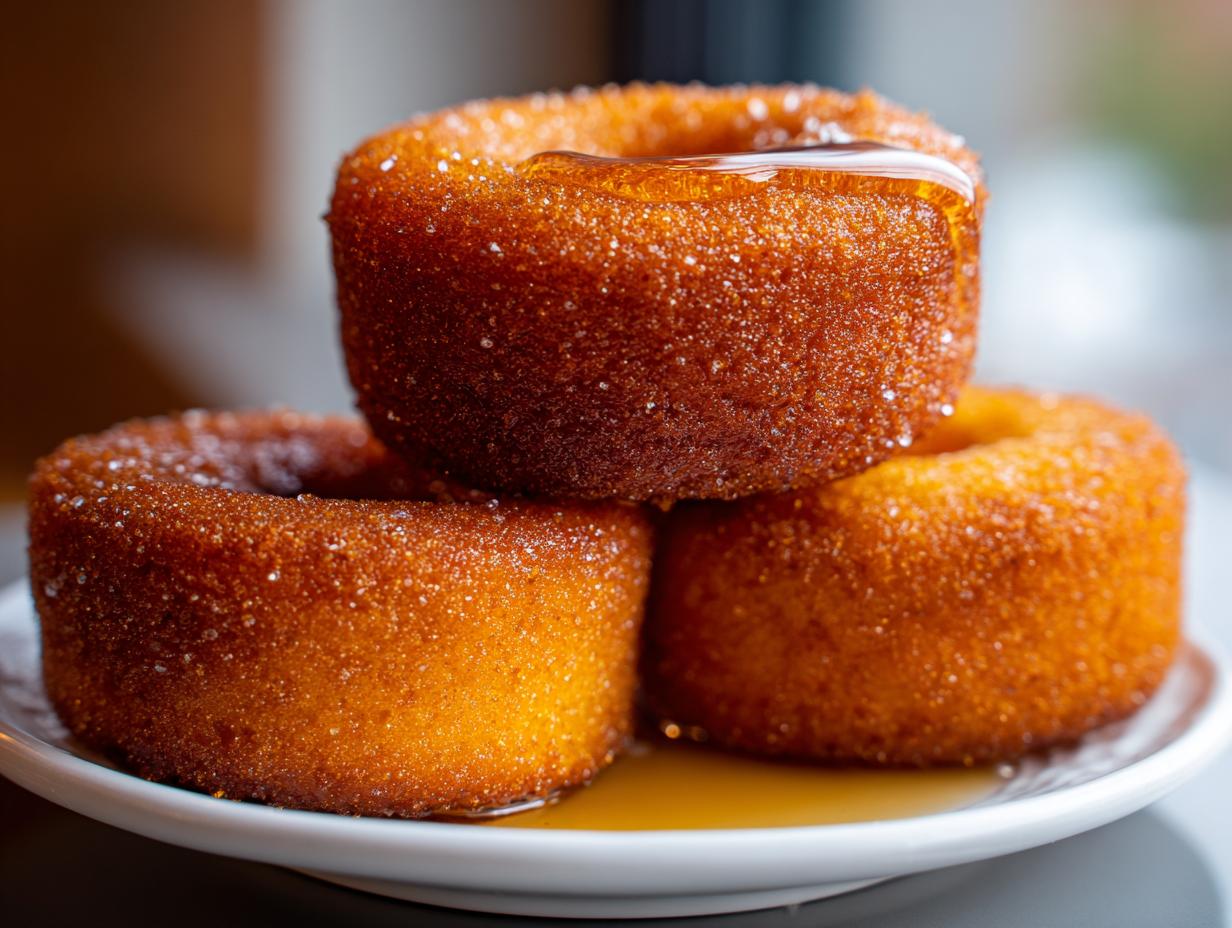
If you’ve ever felt intimidated by making real, honest-to-goodness Southern cornbread, stop right there! This hot water cornbread recipe is about to change everything you thought you knew about quick, crispy sides. We’re talking about a three-ingredient wonder that gets fried up in less than 20 minutes. Seriously, you can’t beat that on a busy weeknight.
My mom used to whip these up whenever she made greens or chili, and the sound of them sizzling in that cast iron pan is pure nostalgia for me. The best part? There’s no milk, no eggs, and absolutely no fuss. It relies purely on the science of boiling water meeting cornmeal to create that incredible, crunchy crust. Trust me when I say this hot water cornbread is what you need on your plate tonight.
Why This hot water cornbread Recipe Works for Beginners
This recipe is foolproof. It truly is the easiest way to get that authentic, crispy Southern side dish flavor. Because we use self-rising cornmeal, we skip measuring baking powder and soda—it’s already in there! You only need boiling water to wake up the cornmeal and create the batter.
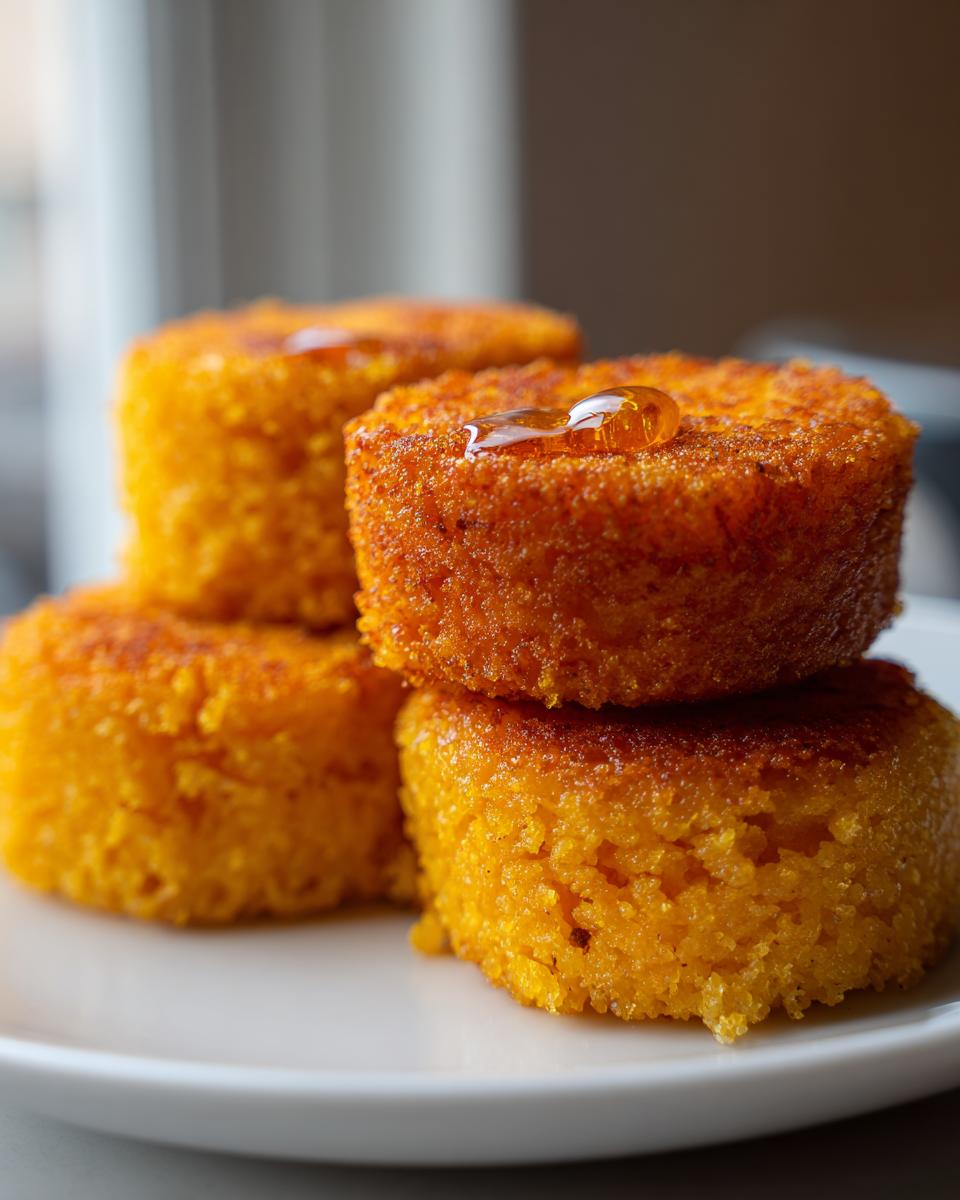
There’s no complicated creaming or folding here. You just stir, scoop, and drop it into hot oil. That high heat is what locks in the texture, giving you a perfectly golden exterior and a soft, crumbly inside. If you can boil water, you can master this hot water cornbread. It comes together faster than most boxed mixes, too!
Gathering Your Ingredients for hot water cornbread
Don’t let the simplicity fool you; precision matters here, especially with the water temperature! For the best hot water cornbread, you need just a few things, but they have to be right. We aren’t adding buttermilk or eggs, so the cornmeal does all the heavy lifting. Get your skillet ready because once you mix this, you have to move fast!
Essential Components
We need to make sure we have the right amounts of everything before that oil starts shimmering.
Dry Ingredients
- Two full cups of self-rising cornmeal. Don’t substitute regular cornmeal unless you add leavening agents, which defeats the purpose!
- Just a tiny pinch of salt, about half a teaspoon, but honestly, you can skip it if you’re watching sodium.
Wet Ingredients and Oil
- The water absolutely must be boiling when you add it—I mean really bubbling! You’ll need between one and a half to two full cups.
- You need about half a cup of high-heat oil for frying, like vegetable or avocado oil. Olive oil might smoke too much for this.
Equipment Needed for Frying
You don’t need a ton of fancy gadgets for this, which is another reason I love it so much. But having the right tools makes the difference between a successful fry and a mess! You’ll want a heavy-duty pan that holds heat well.
- A sturdy cast-iron skillet is my absolute favorite choice for frying. It distributes heat evenly, which is key for consistent browning.
- A heatproof mixing bowl is essential because we are dumping boiling water straight into the cornmeal! Don’t use thin plastic, please.
- A large spoon or spatula for stirring the batter quickly.
- Tongs or a slotted spoon for carefully flipping and removing the cornbread from the hot oil.
- A plate lined with paper towels ready to catch the excess oil when they come out.
Step-by-Step Instructions for Perfect hot water cornbread
Okay, now for the fun part! This process moves quickly once you start, so have your skillet heating while you mix your dry ingredients. Remember, we are aiming for speed and heat here. Getting the batter right is half the battle for perfect hot water cornbread.
Preparing the Batter Correctly for hot water cornbread
First things first: get that oil heating in your cast iron skillet over medium-high heat. You want it shimmering, about 350 degrees Fahrenheit, but don’t let it smoke! While that’s warming up, grab your heatproof bowl. Put your two cups of self-rising cornmeal and the half teaspoon of salt right in there. Now, the crucial part for this hot water cornbread: the water.
You need that water seriously hot—boiling, not just steamy! Start by pouring in just a cup and a half of the boiling water while stirring like crazy with a sturdy spoon. Keep going until it looks thick, almost like a very thick oatmeal. If it looks dry or crumbly, add a splash more water, but be careful not to make it soupy. You want a batter that holds its scooped shape but isn’t stiff.
Once it looks right, stop stirring! Overmixing makes the texture tough, and we want tender centers. Let that batter sit for just a minute or two while you check your oil. This short rest lets the cornmeal fully hydrate—it’s important!
Frying to Golden Perfection
When the oil is hot—you can test it by flicking a tiny drop of batter in; it should sizzle immediately—it’s time to drop your patties. Scoop about a quarter cup of batter for each piece. Gently shape it into a rough circle right in your hand, or just use a spoon to drop it directly into the hot fat. These are rustic, so don’t worry about perfect circles!
Here’s a big warning: Do not overcrowd your skillet! If you put too many pieces in at once, the oil temperature drops instantly, and you end up with soggy, greasy cornbread instead of crispy hot water cornbread. Fry three or four pieces at a time, depending on the size of your pan.
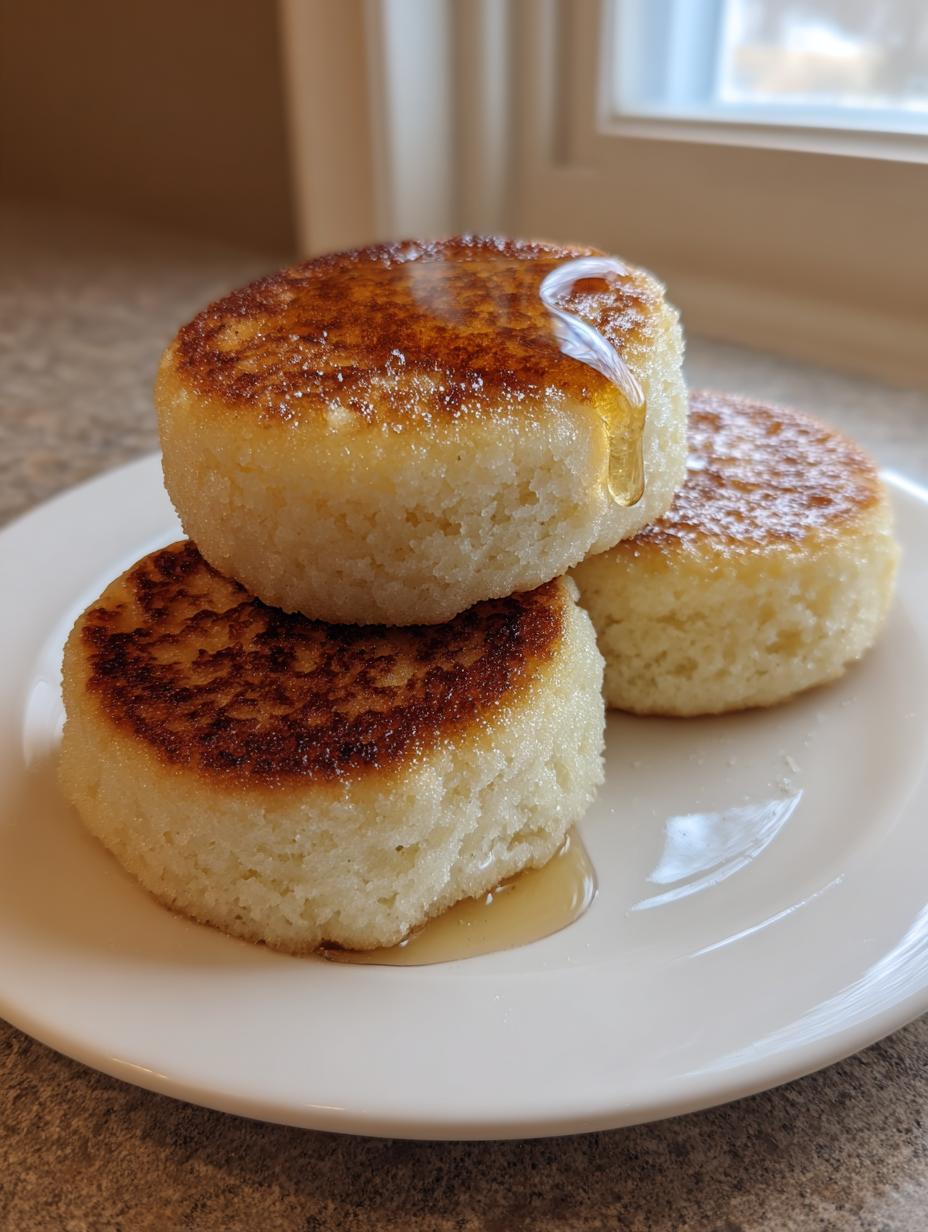
Let them cook undisturbed for about three to five minutes on the first side. You’ll see the edges turn a deep, rich golden brown. Use your tongs and carefully flip each one over. The second side usually only takes three to four minutes. Once both sides are gorgeously browned and crispy, pull them out immediately and let them drain on that paper towel-lined plate. Serve them right away!
Tips for Success Making Your hot water cornbread
Getting the crisp factor right is all about controlling the environment in that skillet. Once you nail the batter, the frying part is easy if you pay attention to the heat. I’ve definitely messed up batches by getting distracted, so here are the two things I always double-check.
Heat Management Secrets
The oil temperature is your best friend here. If it’s too cool—say, under 325°F—the cornbread will soak up the oil like a sponge before it has a chance to crisp up. That means greasy, soft edges, and nobody wants that! You need that initial shock of heat when the batter hits the pan.
If you notice the batter sinking too much or the sizzling sounds weak, your oil has cooled down. Don’t panic; just carefully lift the pan off the heat for 30 seconds, let it come back up to temperature, and then resume frying. I always watch the color—if the first batch comes out pale, the oil needs more time. A deep golden brown comes from steady, hot oil.
Achieving the Ideal Batter Texture
This is where most people go wrong, thinking they need a smooth, pancake-like batter. Nope! When you mix the boiling water in, you are looking for something quite thick. It should be stiff enough that when you scoop a spoonful, it barely slumps back into itself. It should look almost grainy, not silky smooth.
If you accidentally added too much water and it looks runny, don’t throw it out! Just stir in an extra tablespoon or two of dry self-rising cornmeal until you get that thick, scoopable consistency back. On the flip side, if it’s too dry and crumbly, add a tablespoon of boiling water at a time until it just starts to hold together when pressed. You want it to be just barely manageable when you drop it into the oil.
Serving Suggestions for Your Southern side dish
These crispy rounds are incredibly versatile, even though they are traditionally served alongside hearty meals. They aren’t sweet like cake, so think savory pairings!
The absolute classic way to eat them is hot out of the skillet, slathered with butter that melts instantly into all those nooks and crannies. A drizzle of good quality honey is also divine if you like that sweet and salty contrast.
For dinner, they are perfect for soaking up the broth from a thick stew or chili. I love crumbling them over a bowl of black-eyed peas or serving them alongside slow-cooked collard greens. Honestly, they are so quick to make that you should just whip up a batch whenever you are making anything saucy or soupy! If you are looking for other quick sides, check out our guide on crispy roasted chickpeas.
Storing and Reheating Leftover hot water cornbread
Even though this hot water cornbread is best eaten the second it comes out of the oil, sometimes you just have leftovers! The biggest challenge with fried foods is keeping that crispness when you try to eat them the next day. Don’t worry, I have the tricks to revive them!
Best Practices for Storage
The enemies of crispy cornbread are moisture and air. If you just leave them out on the counter, they get tough and stale fast. You need to let them cool completely to room temperature first—if you put warm cornbread into a container, the trapped steam will instantly make them soggy.
Once they are totally cool, place your leftover pieces in a single layer in an airtight container. If you have to stack them, put a small piece of parchment paper between the layers to stop them from sticking together. Stored this way, they should stay good in the refrigerator for up to three days. Anything longer than that, and the texture really starts to suffer.
Reheating for Maximum Crispness
Forget the microwave! I cannot stress this enough—the microwave turns crispy cornbread into sad, gummy disks. We need dry heat to pull that moisture back out and re-crisp the exterior.
My top recommendation is the oven. Preheat your oven to about 350°F. Lay the pieces directly on a wire rack set over a baking sheet. Bake them for about 5 to 8 minutes. You’ll hear them start to crackle again—that’s the sound of success!
If you have an air fryer, that works even faster! Set it to 375°F and crisp them up for just 3 or 4 minutes. It works like a mini convection oven and brings that beautiful fried crunch right back to your leftover hot water cornbread. Enjoy! For more quick recipes, follow us on Facebook.
Reader Questions About hot water cornbread
I get so many questions about variations and substitutions, which is great! It means people are eager to try making this simple recipe. I’ve gathered the most common ones here so you can feel totally confident making your first batch of hot water cornbread.
Can I Bake hot water cornbread Instead of Frying?
This is the number one question I hear! And while you absolutely *can* bake it, I have to be honest: you won’t get the same result. The entire magic of this recipe—that intense, shatteringly crisp crust—comes from dropping the batter directly into hot oil. Baking it will give you something closer to a standard, slightly denser cornbread, not the unique texture of true hot water cornbread.
If you must bake, use a lightly greased 8×8 pan and bake at 400°F for about 20 minutes. But please, give the frying a try first! It’s worth the quick cleanup. You can find more helpful tips on our Medium page.
What Type of Cornmeal Should I Use?
You absolutely must use self-rising cornmeal for this recipe to work as written. Self-rising cornmeal already has salt and a leavening agent (like baking powder) mixed in. Since we aren’t using any other rising agents, the self-rising blend is what gives the patties the slightest bit of lift while frying.
If you only have plain yellow cornmeal, you need to add about 2 teaspoons of baking powder and half a teaspoon of salt for every two cups of cornmeal you use. I usually recommend just buying the self-rising kind for simplicity, though!
How Do I Make This Recipe Dairy-Free?
Good news! This recipe is naturally dairy-free, which is part of what makes it such a classic Southern side dish. We are only using cornmeal, water, salt, and oil for the actual bread. You don’t need any butter or milk in the batter at all.
The only time dairy sneaks in is when serving. If you want to keep it strictly dairy-free, just skip the butter! Serve it piping hot with a drizzle of honey or maple syrup instead. It’s just as delicious that way.
Understanding the Nutrition Facts for hot water cornbread
Now, I know some of you are tracking macros or watching your sugar intake, and that’s smart! But I have to be upfront with you about the exact numbers for fried foods like this. Since this recipe relies on frying in oil, the final calorie and fat count can change dramatically based on how much oil soaks in and how thin you make your patties.
Because of that variation, I don’t provide precise, guaranteed nutrition facts for this dish. Think of this as pure, delicious comfort food where the joy of that crispy texture outweighs the need for exact calculations! For more recipe ideas, check out our Pinterest page.
However, I can tell you this much: it’s made from simple cornmeal, so it’s naturally low in sugar unless you load it up with honey later. It’s also inherently vegetarian. When you eat it fresh, drained well on paper towels, you are getting a satisfying, hearty side dish that pairs perfectly with beans and greens!
Print
Stunning hot water cornbread in under 20 mins
- Total Time: 15 minutes
- Yield: 6 pieces
- Diet: Vegetarian
Description
Easy 3-ingredient hot water cornbread fried to golden perfection. A quick, crispy Southern side dish ready in under 20 minutes.
Ingredients
- 2 cups self-rising cornmeal
- 1½ to 2 cups boiling water
- ½ teaspoon salt (optional)
- ½ cup vegetable or avocado oil
- Butter or honey (optional for serving)
Instructions
- Pour ½ inch of oil into a heavy skillet or cast-iron pan. Heat over medium-high heat until shimmering, about 350°F.
- In a large heatproof bowl, stir together self-rising cornmeal and salt. Slowly add 1½ cups boiling water while stirring constantly until the batter is thick and smooth. Add a little more water if too dry.
- Scoop about ¼ cup of batter for each piece and gently shape into small rounds using a spoon.
- Carefully place patties into the hot oil. Fry for 3–5 minutes per side until deep golden brown and crisp. Avoid overcrowding the pan.
- Remove from the skillet and place on paper towels to drain. Serve warm with butter or a drizzle of honey.
Notes
- This recipe makes comfort food easy.
- The cornbread pairs well with greens, beans, or stews.
- Prep Time: 5 minutes
- Cook Time: 10 minutes
- Category: Side Dish
- Method: Frying
- Cuisine: Southern American