
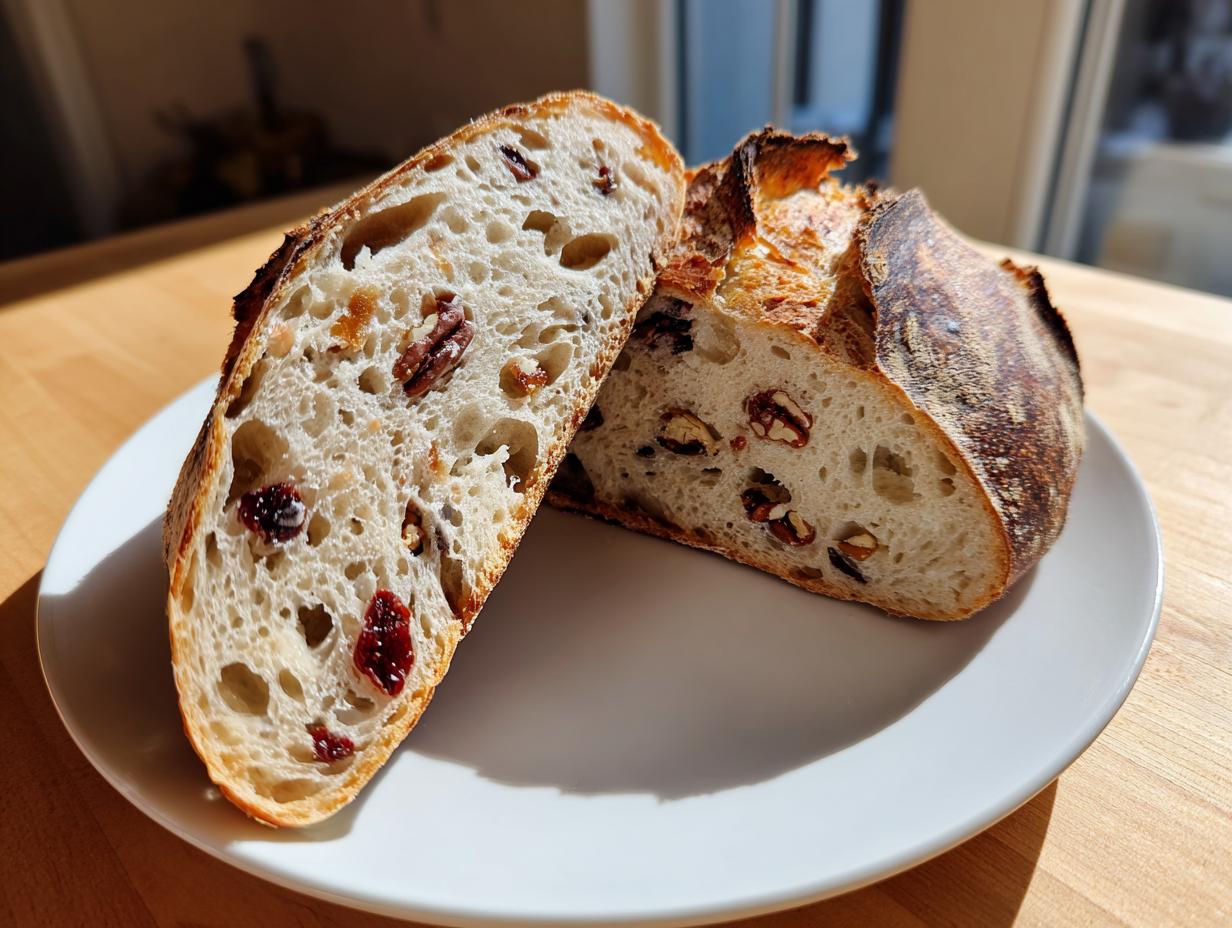
I used to think making real, rustic bread was something reserved for professional bakers who spent hours kneading dough. Seriously, I tried yeast a few times in college, and I ended up with something dense enough to use as a doorstop! But then I found the magic of no-knead, and everything changed. This cranberry pecan artisan bread is truly the loaf that converted me. It requires almost zero effort, yet the result is this gorgeous, crackly crust hugging the softest, fruit-studded interior.
The secret is just giving the yeast time to do all the heavy lifting for you. You mix it up, walk away, and come back to this beautiful, bubbly mess ready for the oven. It’s the perfect marriage of convenience and that incredible, homemade flavor you crave. Trust me, once you pull this out of the Dutch oven, you’ll never look back!
Perfecting the Cranberry Pecan Artisan Bread for Beginners
If you’re new to baking bread, this recipe is your best friend. There’s no complicated kneading technique to master, and the ingredients are so simple. We’re talking flour, water, salt, yeast, and then the fun stuff—the cranberries and pecans!
What makes this cranberry pecan artisan bread so welcoming for beginners is that the dough is supposed to be sticky. Don’t panic when you first mix the water in; if it looks like soup, you’re doing it right! This sticky texture is exactly what creates that beautiful, open crumb inside once it bakes. Just fold in those nuts and fruit gently, cover it up, and let time make the magic happen. It’s practically foolproof!
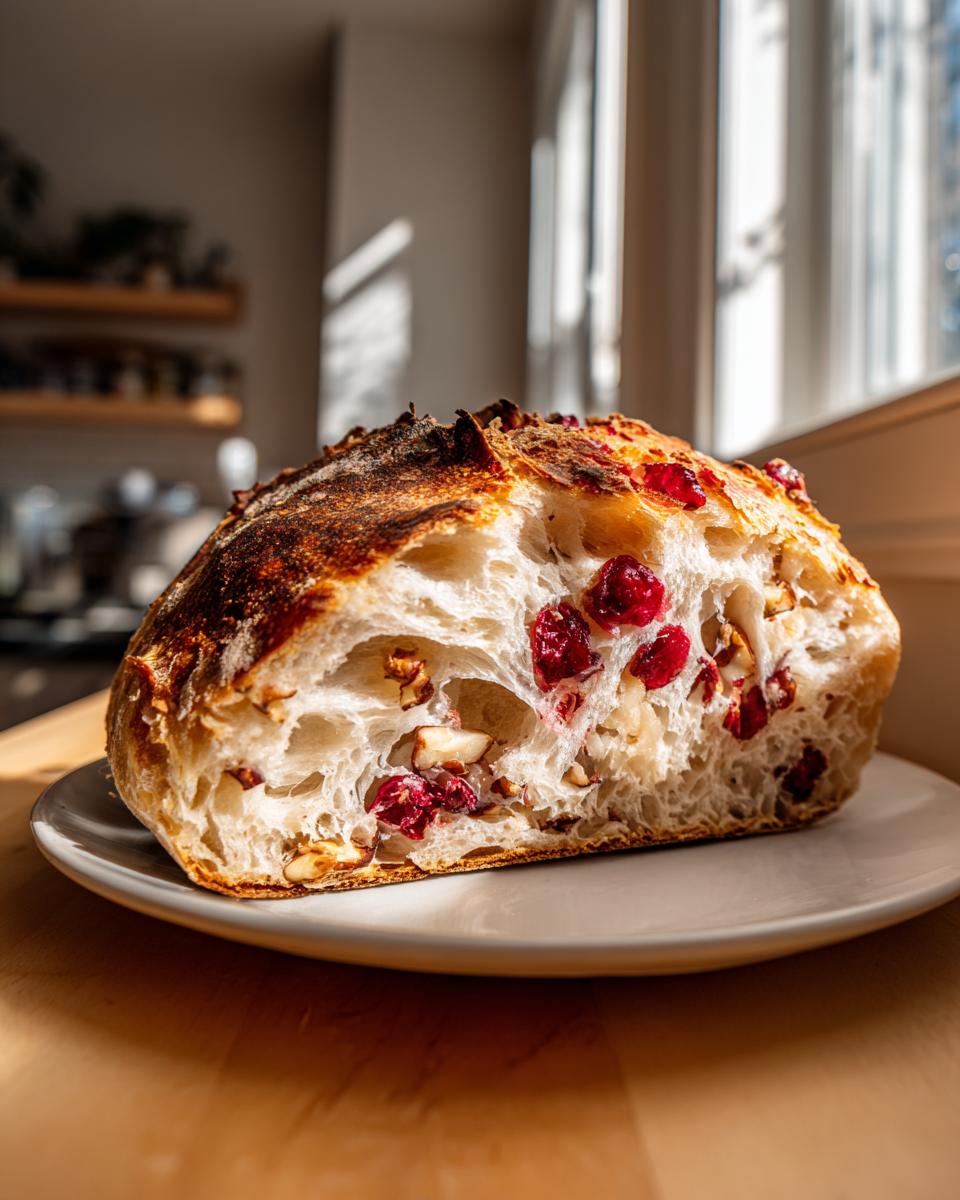
Gather Your Supplies for Cranberry Pecan Artisan Bread
You don’t need a fancy stand mixer or a proofing basket for this loaf, which is what I love about it! The beauty of this cranberry pecan artisan bread is that it relies on basic kitchen gear. However, one piece of equipment is totally non-negotiable if you want that signature crisp crust, and that’s a heavy pot with a lid.
Essential Tools for Making Artisan Bread
Make sure you have these items ready before you even start stirring your dry ingredients together. Having them ready makes the entire process so much smoother!
- A large mixing bowl for combining and rising the dough.
- A sturdy wooden spoon or spatula for stirring everything together—no need for electric mixers here!
- A kitchen scale is great for accuracy, but cups work fine too.
- Your most important tool: A heavy, oven-safe pot with a tight-fitting lid, like a cast iron Dutch oven.
- A cooling rack so the bottom doesn’t get soggy once it comes out of the heat.
The Simple Ingredients for Your Cranberry Pecan Artisan Bread
When I say this cranberry pecan artisan bread is easy, I mean it starts with the shopping list! You probably have most of these things in your pantry right now. There are no weird flours or specialty starters needed here, which keeps the cost down and makes it a perfect weeknight bake.
The key here is using instant yeast. It mixes right into the dry ingredients, and you don’t have to worry about blooming it in water first—that’s one less fussy step we can skip! Also, make sure your pecans are chopped and your cranberries are dried, of course. We want everything ready to go so we can stir and set it aside!
Ingredient Breakdown and Specifications
For the best results, pay attention to the salt and yeast measurements. Too much salt can slow down your rise, and too little means flat bread! I always measure my flour using the “spoon and level” method, just to make sure it isn’t too packed down. Also, make sure your pecans are roughly chopped—we want little bursts of crunch, not huge chunks!
I’ve put everything into a handy table below so you can pull everything out at once. Remember, this recipe is designed for one beautiful, rustic loaf!
Ingredient Table for Cranberry Pecan Artisan Bread
Here’s exactly what you need to pull together this amazing loaf:
| Ingredient | Amount |
|---|---|
| All-purpose flour | 3 cups |
| Kosher salt | 1 1/2 teaspoons |
| Instant yeast | 1 1/2 teaspoons |
| Warm water | 1 1/2 cups |
| Dried cranberries | 3/4 cup |
| Chopped pecans | 3/4 cup |
Step-by-Step Instructions for Your Cranberry Pecan Artisan Bread
This is where the magic happens, and honestly, it’s the easiest part. Since we aren’t kneading, our main job is just mixing everything thoroughly and then being patient while the yeast gets to work! Follow these steps precisely, and you’ll have the best cranberry pecan artisan bread you’ve ever made.
Mixing the Dough and First Rise
First things first: grab that big bowl. Mix your three cups of flour, the salt, and the instant yeast together really well with a spoon. You want those dry ingredients totally incorporated before we add the wet stuff. Next, pour in your 1 1/2 cups of warm water. Don’t worry if it feels too wet—it is supposed to be! Stir it until you don’t see any dry patches of flour hiding at the bottom. That’s step two done!
Now for the flavor bomb! Gently fold in your 3/4 cup of dried cranberries and the 3/4 cup of chopped pecans. You don’t want to beat this up; just fold until they look evenly scattered throughout the sticky mass. Cover that bowl tightly—plastic wrap works great—and find a warm spot in your kitchen. You need to let this dough rise for about two to three hours. You’re looking for it to double in size and get super bubbly on top. That’s your sign it’s ready!
Preheating and Preparing the Bake
This step is probably the most important for getting that professional, crackly crust. About 30 minutes before your dough is done rising, you need to preheat your oven to 450°F. And here’s the critical part: put your empty, covered Dutch oven right inside the oven while it preheats. We need that cast iron scorching hot to mimic a professional steam-injected oven.
While that’s heating up, turn your dough out onto a surface you’ve generously dusted with flour. Don’t punch it down! Just gently use your hands to shape it into a loose, round ball. Handle it softly; we want to keep all those lovely air bubbles we worked so hard to create during the rise!
Shaping and Final Bake of the Cranberry Pecan Artisan Bread
This next part takes a little nerve, so be careful! Open the oven, grab the hot handles of your Dutch oven with thick oven mitts, and carefully set the lid aside. Use a piece of parchment paper underneath your dough to gently lower the round loaf right into that screaming hot pot. Pop the lid back on quickly and slide it into the oven. Bake it covered for 25 minutes.
After 25 minutes, take that lid off—wow, the steam is intense! Now, let it bake uncovered for another 10 to 15 minutes until the crust is a deep, beautiful golden brown. Once it looks perfect, transfer that gorgeous loaf to a wire rack. And here’s my biggest piece of advice: don’t slice it for at least 30 minutes! Letting it cool completely sets the crumb structure, or it’ll turn gummy inside.
Tips for Success with No-Knead Artisan Bread
Even though this bread is incredibly easy, there are a few little things I learned over time that make the difference between a good loaf and a *great* loaf. Don’t stress if your first attempt isn’t magazine-perfect; bread baking is all about practice and paying attention to what the dough is telling you!
Managing Dough Consistency and Rise Time
If your dough hasn’t doubled after three hours, don’t just pull it out of the oven! The rise time heavily depends on your kitchen temperature. If it’s chilly, it might take four hours, or even longer if you live somewhere cold. Just let it be! You want those big, beautiful air pockets, and that only happens when the yeast is happy and active. If it looks soupy, that’s okay, just make sure you got all that flour incorporated at the start.
Also, when you turn it out onto the counter, try not to flatten it like a pancake. Treat it gently, like you’re handling a fluffy cloud. We’re just trying to tuck the edges under to form a round shape, not deflate it!
Achieving the Perfect Crust on Your Loaf
That incredible, shatteringly crisp crust is all about the heat and the steam. That 30-minute preheat with the Dutch oven inside is non-negotiable for me. You need that cast iron to be ripping hot when the dough lands in it. The initial steam trapped under the lid keeps the outside of the dough moist so it can expand fully before the crust sets hard.
When you take the lid off for the last 15 minutes, that’s when the browning happens. If you think it’s looking a little pale but you’re worried about overbaking, turn the oven down to 425°F for the final five minutes instead of pulling it out early. A deep golden color equals maximum crunch, and it tastes way better!
Storing and Reheating Your Cranberry Pecan Artisan Bread
This rustic loaf is best eaten the day it’s made, obviously, but because of the cranberries and pecans, it actually holds up really well for a couple of days if you store it correctly. The biggest enemy of a good crust is humidity, so we have to be smart about how we keep this cranberry pecan artisan bread fresh.
Never, ever store it in a plastic bag right away! If you seal it up while it’s still warm, that crust will turn instantly soft and rubbery, and we just can’t have that after all that work.
Best Practices for Keeping the Bread Fresh
Once the bread is completely cool—and I mean totally cool, like room temperature—you have a few options depending on how long you need to keep it. If you plan to eat it within 24 hours, just wrapping it loosely in a clean kitchen towel and leaving it on the counter is perfect. This lets the crust breathe a little while keeping the inside from drying out too fast.
For longer storage, slicing it first and freezing the extras is the way to go. Here’s a quick guide for keeping your loaf at its best:
| Storage Method | Duration | Tip |
|---|---|---|
| Counter (Loose Wrap) | 1-2 Days | Use a clean cloth to protect the crust from air exposure. |
| Freezer (Sliced) | Up to 3 Months | Wrap slices tightly in plastic wrap, then foil, before freezing. |
When you want a slice later, just pop it straight from the freezer into the toaster! It comes out tasting almost as good as fresh.
Frequently Asked Questions About Cranberry Pecan Artisan Bread
I get so many great questions about this recipe, and honestly, most of them boil down to what happens when things don’t go exactly to plan. Baking bread is forgiving, but knowing the “why” behind the steps really helps when troubleshooting your cranberry pecan artisan bread!
Can I Substitute the Flour in This Cranberry Pecan Artisan Bread Recipe?
This recipe is really tailored for all-purpose flour because it has the right balance of protein for this no-knead structure. If you want to try whole wheat, I’d say substitute no more than half a cup for the all-purpose flour. If you use 100% whole wheat, the dough will be much drier, and you’ll likely need to add more water, which changes the whole dynamic!
For a gluten-free version? I haven’t tested it, and I wouldn’t recommend it for this specific style of rustic bread. The gluten network is what traps the gas, and without it, you’ll just get a very dense, crumbly brick, even with the cranberries and pecans in there.
What If My Dough Does Not Double in Size?
This is the most common panic point! If your dough hasn’t doubled after three hours, stop worrying about the clock and start worrying about the temperature. Yeast is slow when it’s cold. If your kitchen is chilly (under 70°F), it might take five or even six hours to get that bubbly, doubled look. Don’t rush it by turning up the heat too high, or you risk killing the yeast!
If you’ve left it for eight hours and it still looks flat, check your yeast expiration date. If the yeast is dead, you need to start over with fresh yeast. Otherwise, just give it more time! The longer, slower rise actually develops better flavor in this artisan loaf, so think of it as a bonus!
Understanding the Nutrition of This Artisan Bread
Now, let’s talk numbers for a second. I included a little chart below with some estimated nutrition facts for the cranberry pecan artisan bread, but I have to give you a big disclaimer right up front. Baking is an art, and ingredients vary so much!
Disclaimer Regarding Nutritional Estimates
The nutritional breakdown you see is just an educated guess based on standard database averages. Things like the exact brand of flour you use, how much water your cranberries absorb, or even the size of your chopped pecans can change the final calorie and fat count slightly. So please, take those numbers with a grain of salt—or maybe a few grains of kosher salt, since that’s what’s in the bread!
If you are tracking macros or have a serious dietary need, I strongly recommend plugging the exact brands you used into your preferred tracking app for the most accurate results. This chart is just here to give you a general idea of what’s in a slice!
Share Your Cranberry Pecan Artisan Bread Creations
I absolutely love seeing what you all bake up in your kitchens! When you make this cranberry pecan artisan bread, snap a picture and tag me on social media. I want to see those beautiful, rustic crusts!
If you tried this recipe and loved the simplicity of the no-knead method, please leave a rating and a comment right here on the blog. Your feedback helps other nervous bakers decide to give this amazing loaf a try. Happy baking, everyone! Follow us on Facebook for more quick tips!
Print
Amazing Cranberry pecan artisan bread in 1 easy step
- Total Time: 50 minutes plus 2-3 hours rise time
- Yield: 1 round loaf
- Diet: Vegetarian
Description
Easy cranberry pecan artisan bread with a crisp crust and tender crumb. This no-knead recipe uses simple ingredients for a rustic loaf.
Ingredients
- 3 cups all-purpose flour
- 1 1/2 teaspoons kosher salt
- 1 1/2 teaspoons instant yeast
- 1 1/2 cups warm water
- 3/4 cup dried cranberries
- 3/4 cup chopped pecans
Instructions
- Stir flour, salt, and instant yeast in a large bowl until combined.
- Add warm water and stir until a sticky dough forms, ensuring no dry flour remains.
- Fold in cranberries and pecans until evenly distributed.
- Cover the bowl tightly and let the dough rise at room temperature for 2 to 3 hours until doubled and bubbly.
- Preheat your oven to 450°F with a covered Dutch oven inside for 30 minutes.
- Turn the dough onto a well-floured surface and shape it into a loose round, handling gently.
- Carefully transfer the dough to the hot Dutch oven, cover it, and place it in the oven.
- Bake covered for 25 minutes.
- Remove the lid and bake for 10 to 15 minutes more until deep golden brown.
- Remove the bread from the pot and cool it on a rack for at least 30 minutes before slicing.
Notes
- Allowing the bread to cool fully helps set the crumb and improves slicing.
- Prep Time: 10 minutes
- Cook Time: 40 minutes
- Category: Bread
- Method: No-Knead, Baking
- Cuisine: American
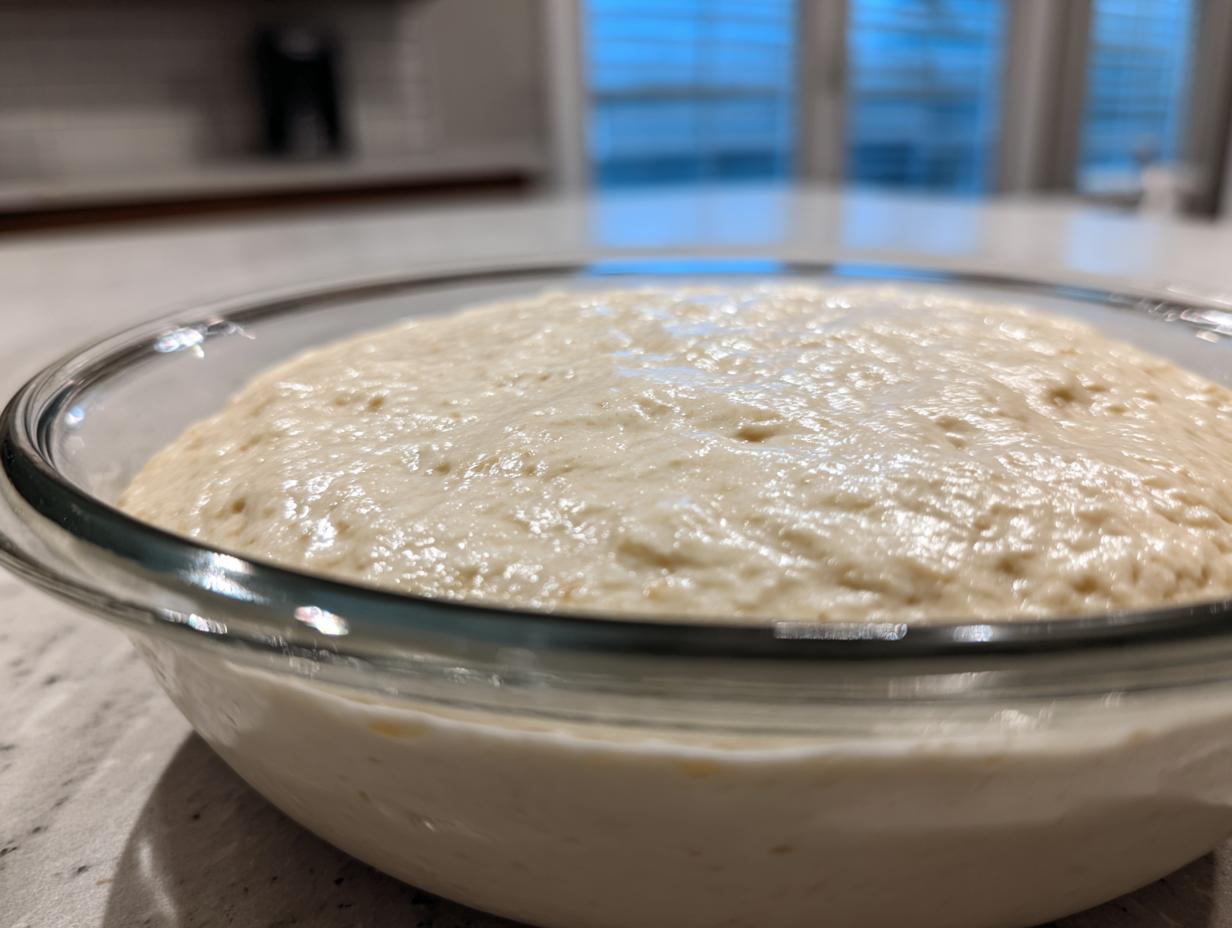

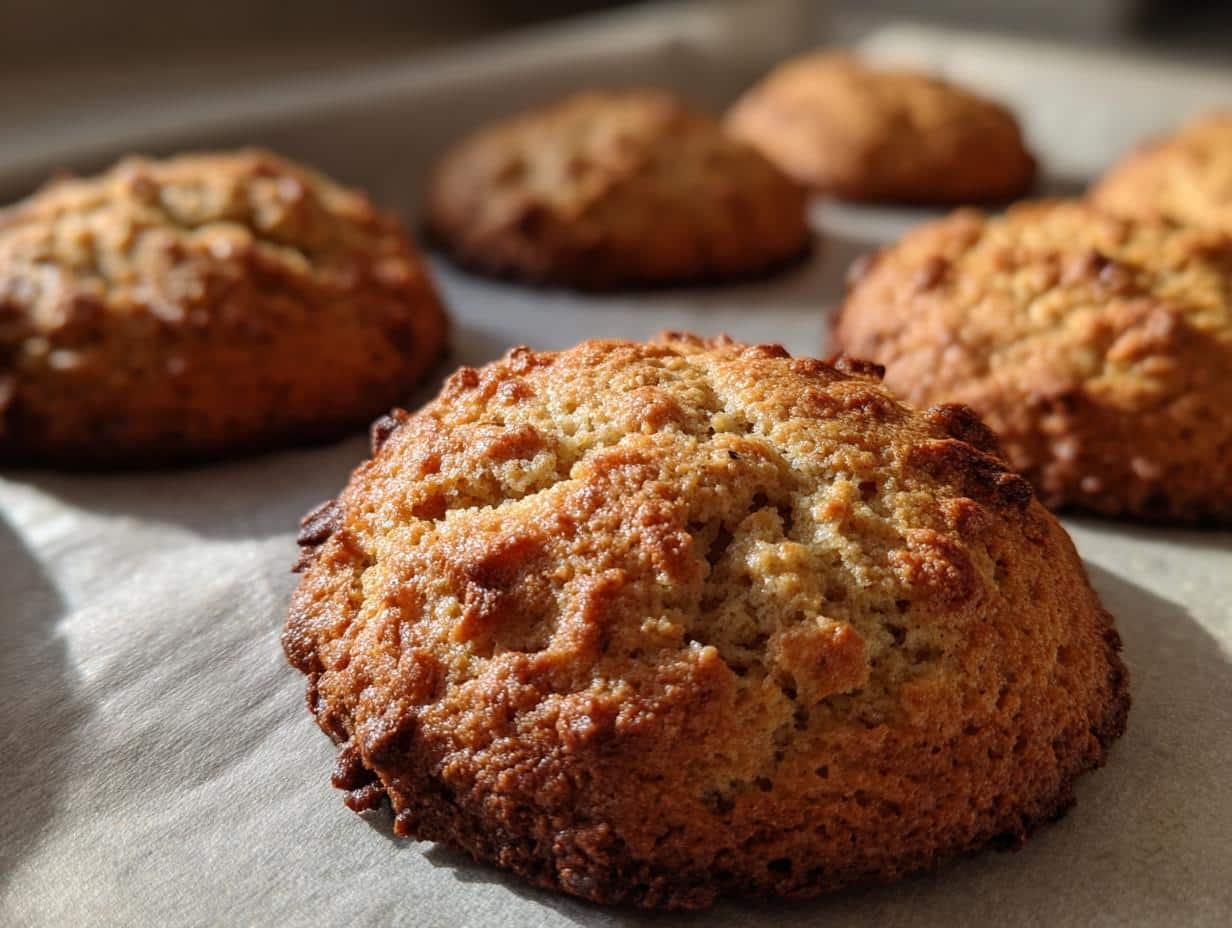


I followed your recipe to the letter but after doubling, it deflated and was a wet blob. I cooked it anyway to see what would happen. It’s DELICIOUS BUT FLAT!
I made sure to use AP flour, warm water was correct temp, flour, salt & yeast carefully measured (and weighed to be sure).
I don’t know what happened.
I took a picture but not sure how to send. I had such high hopes!