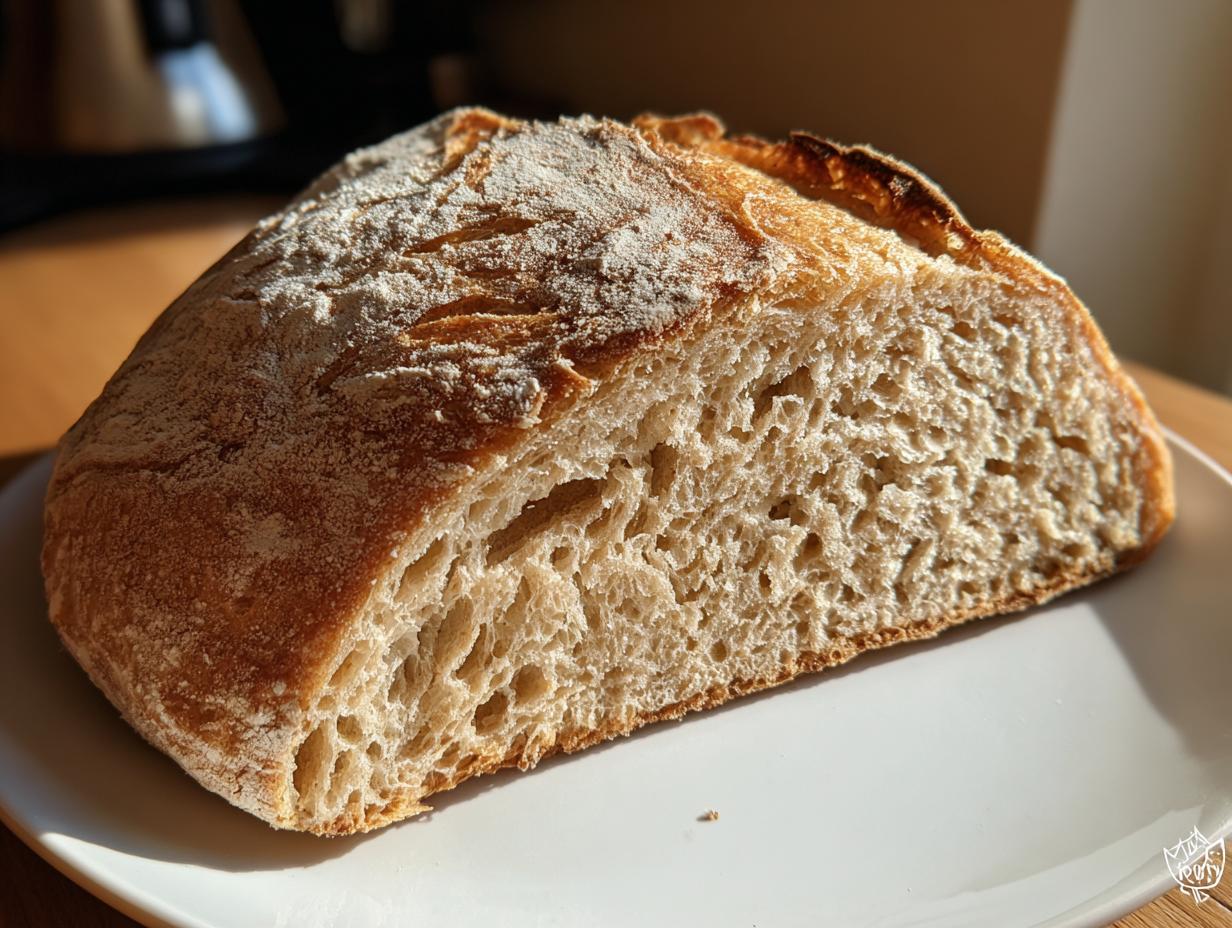
If you think baking beautiful, crusty bread means spending an hour kneading dough until your arms ache, I’m here to change your mind! Seriously, toss out that image of wrestling with stiff dough. This Easy No-Knead Peasant Bread is my absolute secret weapon for busy weeknights, and it tastes like it took all day.
When I first started baking, I was terrified of yeast. I kept killing my starters or ending up with flat, sad hockey pucks. Then I found this method. It uses just four basic things you already have—flour, water, salt, and yeast—and zero mixer time. That’s right, your hands or a wooden spoon do all the work!
This recipe proves that good results come from following simple, time-tested steps, not from fancy equipment. It’s reliable, it always rises beautifully, and the golden, crackly crust? Wow. If you need a foolproof recipe that delivers artisan-style bread with minimal effort, trust me, this peasant bread is it. It’s become the standard around here! 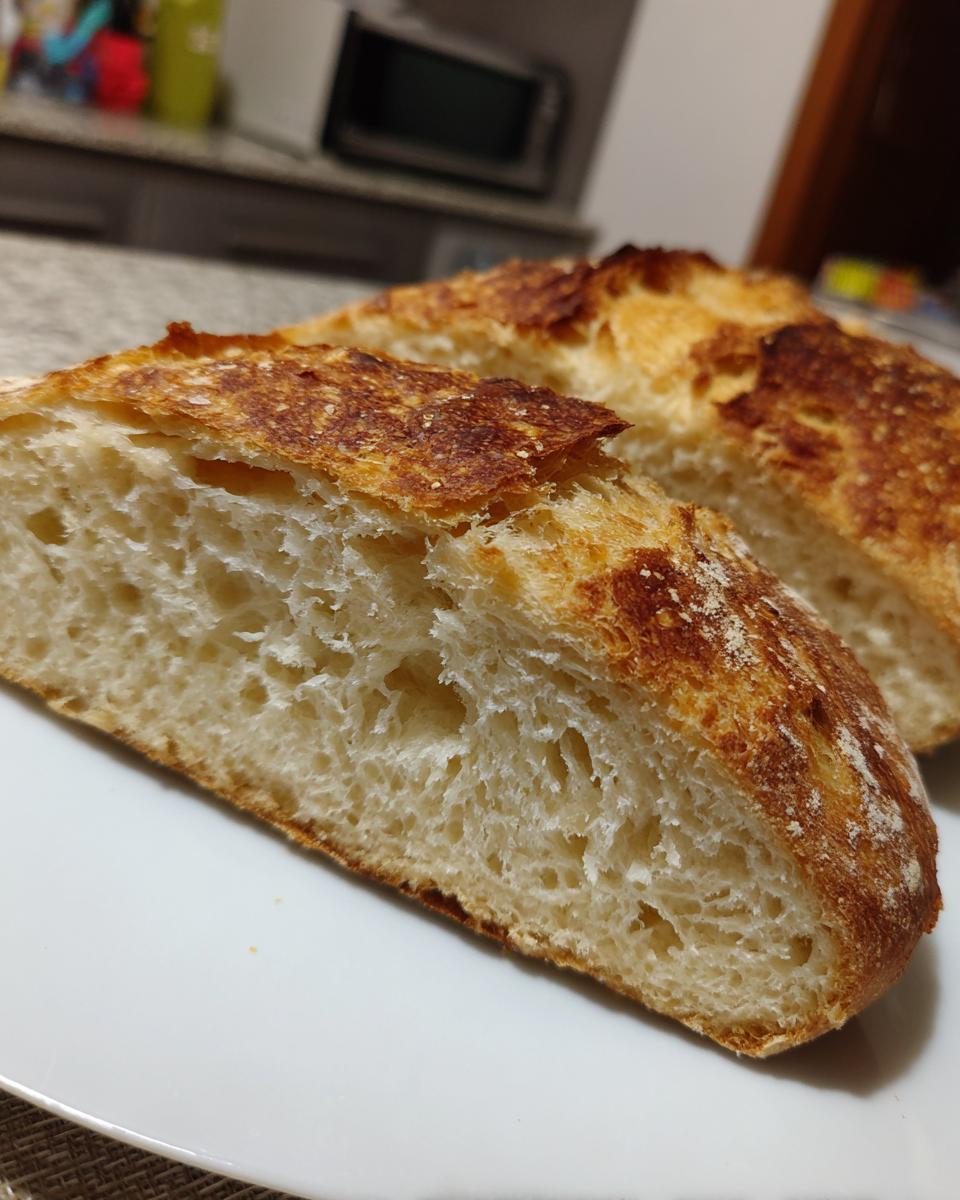
Why You Will Make This Easy No-Knead Peasant Bread Repeatedly
Honestly, the sheer simplicity of this bread is what sold me, and I know it’ll hook you too. You don’t need a stand mixer, you don’t need a proofing drawer, and you certainly don’t need strong forearms! It’s bread that works for you, not the other way around.
- It requires almost zero active work time—just mixing and waiting!
- The texture is phenomenal: soft, fluffy interior balanced by that perfect, crispy golden crust.
- You only use basic bowls and forks; no special gadgets required for success.
The Appeal of Easy No-Knead Peasant Bread
The magic of the no-knead method is that the long, slow rise does all the heavy lifting for you. That long rest time develops amazing flavor that usually requires aggressive kneading. For beginners, this is huge because you can’t really mess up the work stage; you just mix it until it looks like a sticky mess, cover it, and walk away.
When you come back, the dough is alive and bubbly! This method is so forgiving. Even if your kitchen is a little chilly, it usually comes through. It’s the perfect confidence booster for anyone who thought making bread from scratch was intimidating. Trust me, this recipe delivers bakery quality without the bakery effort. You can see more of my baking adventures on Medium.
Essential Equipment for Your Easy No-Knead Peasant Bread
You really only need the bare minimum for this recipe, which is part of why I love it so much! Forget pulling out the heavy stand mixer. You’ll want a large bowl for mixing, preferably one that can handle doubling in size.
- One large mixing bowl
- A clean kitchen towel or plastic wrap for covering
- Two oven-safe bowls (about 1-quart size) or one casserole dish
- A wooden spoon or sturdy spatula for mixing
- Forks for gently handling the dough later
Ingredients for Perfect Easy No-Knead Peasant Bread
Okay, let’s talk supplies. You won’t need anything fancy here, which is such a relief when you’re just starting out with baking. We are keeping this super simple with pantry staples. The quality of your yeast matters, but honestly, that’s about it for fussy ingredients.
I always measure my flour first, and I strongly suggest using a kitchen scale if you have one, but spooning it lightly into the measuring cup works too. The key is not to pack it down! The water temperature is also critical for waking up that instant yeast, so don’t just guess!
Ingredient Specifics and Clarity for Easy No-Knead Peasant Bread
When you look at the list, it seems straightforward, but a couple of details make all the difference between a great loaf and, well, a slightly flatter loaf. We need that yeast to be happy right from the start, and that means warm water—think bath water temperature, not scorching hot!
Also, since this is a no-knead bread, we rely on the sugar to give the yeast a little boost during that long first rise. Don’t skip it, even though it seems like a lot for just a little yeasty action!
Ingredient Table Example
Here is exactly what you need to gather before you start mixing. I like to have everything measured out in little bowls first—it’s called mise en place, and it saves so much stress!
| Ingredient | Measurement | Notes |
|---|---|---|
| All-Purpose Flour | 4 cups | Do not pack into the cup! |
| Kosher Salt | 2 teaspoons | For flavor and structure. |
| Sugar | 2 teaspoons | Yeast food—don’t skip this! |
| Instant Yeast | 2 teaspoons | Make sure it’s fresh! |
| Warm Water | 2 cups | Must be around 110°F (warm to the touch). |
| Unsalted Butter | 1 tablespoon | For generously greasing the baking dishes. |
Step-by-Step Instructions for Easy No-Knead Peasant Bread
Alright, this is where the magic starts, and I mean that literally—it’s mostly waiting! Don’t worry if your first impression of the dough is that it looks totally wrong. It’s supposed to look messy and sticky. That’s the whole point of this simple bread!
Mixing and First Rise of the Easy No-Knead Peasant Bread Dough
First things first, grab that big bowl. You want to whisk together all your dry ingredients—the flour, salt, sugar, and yeast. Whisking them well ensures the yeast is evenly distributed, so you don’t get pockets of unrisen dough later on. Trust me, a good whisk saves you trouble later!
Next, pour in your two cups of warm water. Now, take your wooden spoon, or even a stiff spatula if you prefer, and just stir. You are not kneading! Keep stirring until you can’t see any dry flour hiding anywhere. It will look incredibly shaggy and wet—like a thick batter, but stickier. That’s the sign you’ve done it right. Don’t overwork it trying to smooth it out; stop as soon as the flour is hydrated. Cover that bowl tightly with a clean towel and tuck it away somewhere warm. I put mine right on top of the fridge where the motor keeps it cozy. You need patience here: let it sit for a full hour to an hour and a half, or until it has visibly doubled in size and you see tons of bubbles on the surface. Don’t rush this! If you want to save this recipe for later, be sure to Pin it on Pinterest!
Shaping and Second Proofing
Once that dough is puffy and ready, it’s time to move it. This next part is crucial: use two forks—yes, two regular dinner forks—to gently deflate it. Don’t punch it down! You just want to pull the edges toward the middle a few times to create a rough, loose ball shape. This keeps some of that lovely gas inside.
Now, prepare your baking dishes. I use two small oven-safe bowls, but you can use one big casserole dish if you prefer one large loaf. Generously butter the insides—like, really coat them, because we want that crust to come out easily! Gently transfer half of the dough ball into each buttered dish. Let these sit uncovered now, right on the counter, for just 15 to 20 minutes. You only want it to puff up a little bit until it just reaches the rim of the bowl. This short second rise sets the final shape before baking.
Baking Time and Temperature Adjustments
While that second rise is happening, you absolutely must preheat your oven to 425°F. High heat is what gives us that signature crackly crust on this peasant bread. Once it’s hot, carefully place your bowls into the oven. 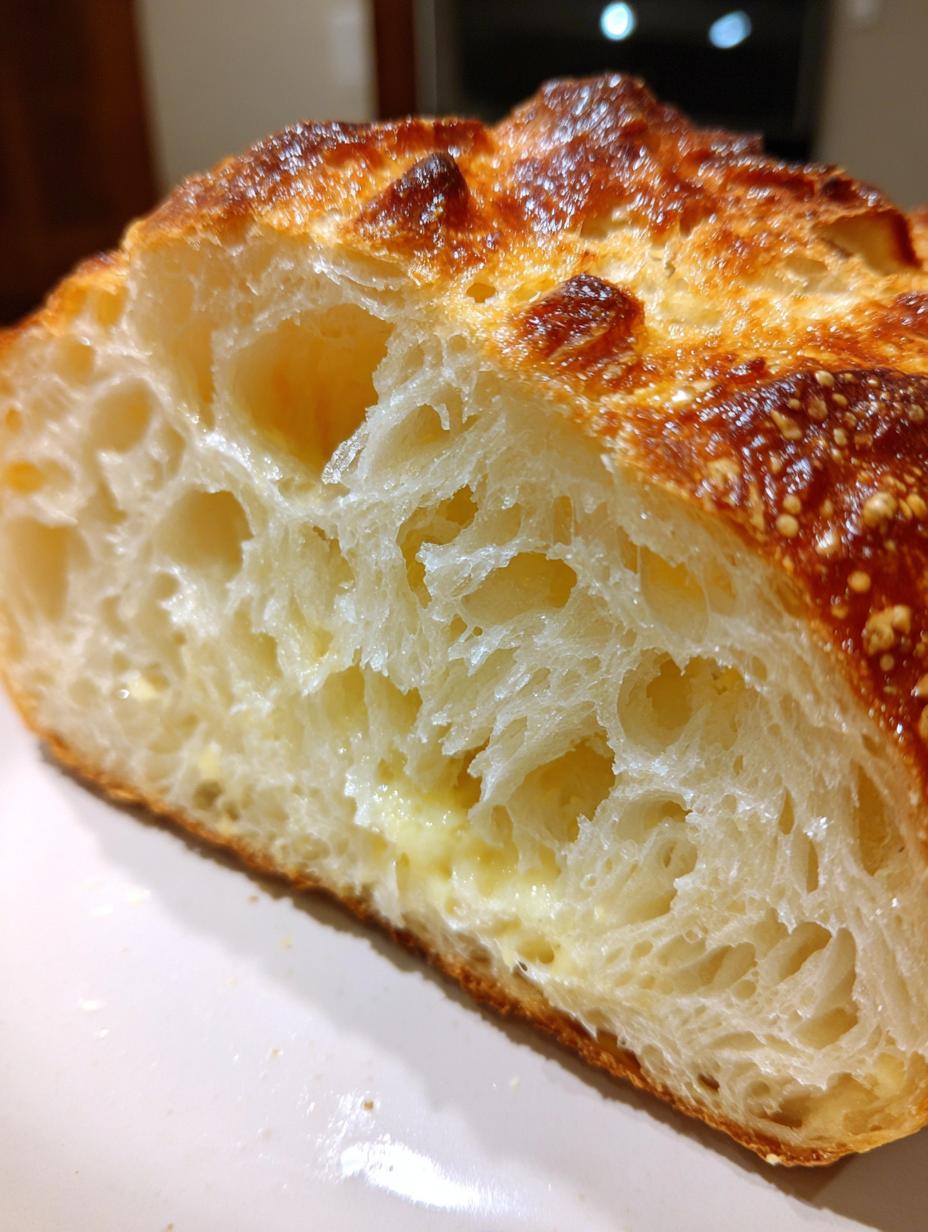
Bake them at that high 425°F for the first 15 minutes. This initial blast of heat does most of the heavy lifting for volume. Then, pull the temperature down to 375°F. If you made two smaller loaves, bake for another 20 minutes. If you did the big single loaf, give it closer to 30 minutes at the lower temp. You’re looking for deep golden brown color!
If you decided to bake this in a Dutch oven instead of open bowls—which is a great way to trap steam—you bake it covered for the first 20 minutes at 425°F, then uncover it and drop the heat to 375°F for the final 15 minutes to crisp up that top. When they are done, turn them out onto a cooling rack immediately. If you want an extra soft crust, brush the tops with a tiny bit of melted butter or olive oil while they are still hot. Let them cool for at least 30 minutes before slicing, or you’ll compress that beautiful fluffy middle! If you’re looking for other simple baking projects, check out my easy heart cookies recipe.
Tips for Success Making Easy No-Knead Peasant Bread
Even though this is the easiest bread recipe on the planet, a couple of tiny details can make the difference between a perfect loaf and a slightly disappointing one. Don’t stress, though; these are easy fixes!
First up: yeast activity. Since we aren’t blooming the yeast separately, you need to be sure it’s alive before you walk away for an hour and a half. When you mix the warm water in, if you don’t see any immediate tiny bubbles forming on the surface after stirring, your water might have been too hot and killed the yeast, or the yeast was old. If that happens, start over with fresh yeast and water around 110°F—just warm enough to feel comfortable, not hot.
Second, preheating is non-negotiable! That high initial oven temperature is what creates the “oven spring” that gives your peasant bread its gorgeous height. If you drop the dough into a lukewarm oven, you’ll get a dense, flat result. Let that oven preheat for at least 20 minutes before you even start prepping the bowls for the second rise. Seriously, put the dishes in the oven while it preheats just to warm them up a bit before the dough goes in.
Finally, remember that sticky dough? Don’t be tempted to add more flour during the mixing stage to make it easier to handle. That wetness is what creates the open, airy crumb we love in this no-knead bread. Embrace the stickiness! For more simple recipes, check out my chocolate covered strawberries recipe.
Storing and Reheating Your Easy No-Knead Peasant Bread
Even though this bread disappears fast around my house, sometimes you end up with a slice or two left over. The big challenge with any crusty bread is keeping that amazing exterior crisp! If you just toss it in a plastic bag, that crust softens up almost immediately, and nobody wants that spongy peasant bread.
The best way to keep it fresh is to let it cool completely first, which is tough, I know! Once cooled, you want to store it cut-side down on a cutting board, or loosely tented in a paper bag. Never seal it airtight if you want to save that crust!
Storage and Leftover Guidance
If you need to keep it longer than a day, the freezer is your friend. Wrap those cooled slices tightly in plastic wrap first, then put them in a freezer bag. When you’re ready to eat them, you’ll want to reheat them briefly to bring the crust back to life. It’s amazing how newly baked it tastes!
| Storage Method | Duration | Reheating Tip |
|---|---|---|
| Room Temperature (Loosely covered) | 1-2 Days | Brush lightly with water and bake at 350°F for 5 minutes. |
| Freezer (Airtight) | Up to 2 Months | Thaw slightly, then bake directly from frozen at 375°F for 10-12 minutes. |
| Refrigerator | Up to 4 Days | Reheating is essential; the cold dries out the crumb quickly. |
Frequently Asked Questions About Easy No-Knead Peasant Bread
When you’re baking bread for the first time, questions pop up constantly! I tried to answer the most common things people ask me about this simple bread recipe. Don’t hesitate to experiment once you get the hang of the basic process, but these answers should get you started on the right foot for that perfect crust and crumb.
Most people worry about the yeast or the texture, but honestly, this recipe is so forgiving. If you follow the rising times, you’ll end up with a beautiful loaf that tastes like you worked all day on it. It’s truly the best beginner bread!
Can I Use Bread Flour Instead of All-Purpose Flour in This Easy No-Knead Peasant Bread
Yes, you absolutely can swap the all-purpose flour for bread flour! Bread flour has a higher protein content, which means you’ll develop slightly more gluten during that long rest time. What does that mean for your final loaf? It generally results in a slightly chewier crumb and maybe a little bit more volume.
If you use bread flour for this no-knead bread, just watch the water absorption carefully. Bread flour can sometimes soak up a little more liquid. If it seems too stiff after mixing, add just a tablespoon or two more water until it’s still sticky, but maybe slightly less soupy than the all-purpose version. You’ll still get that fantastic crust, but the interior will have a little more chew. It’s a great way to adapt the recipe! For more bread recipes, see my guide on 18 best bread recipes.
Sharing Your Easy No-Knead Peasant Bread Experience
Now that you’ve seen how unbelievably simple this baking adventure is, I really want to know how it turned out for you! Did you get that perfect golden crust? Did your family devour it before you could even take a picture?
Please take a moment to jump down to the comments below. Rate this recipe using the star system, and tell me what you served your peasant bread with! I love seeing everyone’s success stories with this beginner bread! You can also follow us on Facebook for more updates.
Print
Amazing Easy No-Knead Peasant Bread in 1 Step
- Total Time: 45 minutes plus rise time
- Yield: 2 small loaves or 1 large loaf
- Diet: N/A
Description
This no-knead peasant bread is soft, fluffy, and golden with a crispy crust. It is simple to make with everyday ingredients, requiring no mixer or special tools.
Ingredients
- 4 cups all-purpose flour
- 2 teaspoons kosher salt
- 2 teaspoons sugar
- 2 teaspoons instant yeast
- 2 cups warm water (about 110°F)
- 1 tablespoon unsalted butter, for greasing
- Extra butter or olive oil, for brushing (optional)
Instructions
- In a large bowl, whisk together flour, salt, sugar, and yeast.
- Add warm water and stir with a wooden spoon until a sticky dough forms. Do not knead; just make sure all flour is hydrated.
- Cover the bowl with a clean towel and let rise in a warm spot for 1 to 1½ hours, or until doubled in size and bubbly.
- Generously butter two 1-quart oven-safe bowls or one 3-quart casserole dish.
- Use two forks to gently deflate the dough by pulling it from the sides toward the center, forming a rough ball.
- Divide the dough in half if making two loaves and transfer to the prepared bowls.
- Let the dough rise uncovered for 15 to 20 minutes until it just reaches the rim of the bowls.
- Preheat oven to 425°F.
- Bake for 15 minutes, then reduce heat to 375°F and bake an additional 20 minutes for small loaves or 30 minutes for a large one, until golden brown and crisp.
- Turn loaves out onto a wire rack. Brush with butter or olive oil if desired.
- Let cool at least 30 minutes before slicing.
Notes
- If baking in a Dutch oven, bake covered for the first 20 minutes, then uncovered for 15 minutes to develop a crisp crust.
- Prep Time: 10 minutes
- Cook Time: 35 minutes
- Category: Bread
- Method: Baking
- Cuisine: American