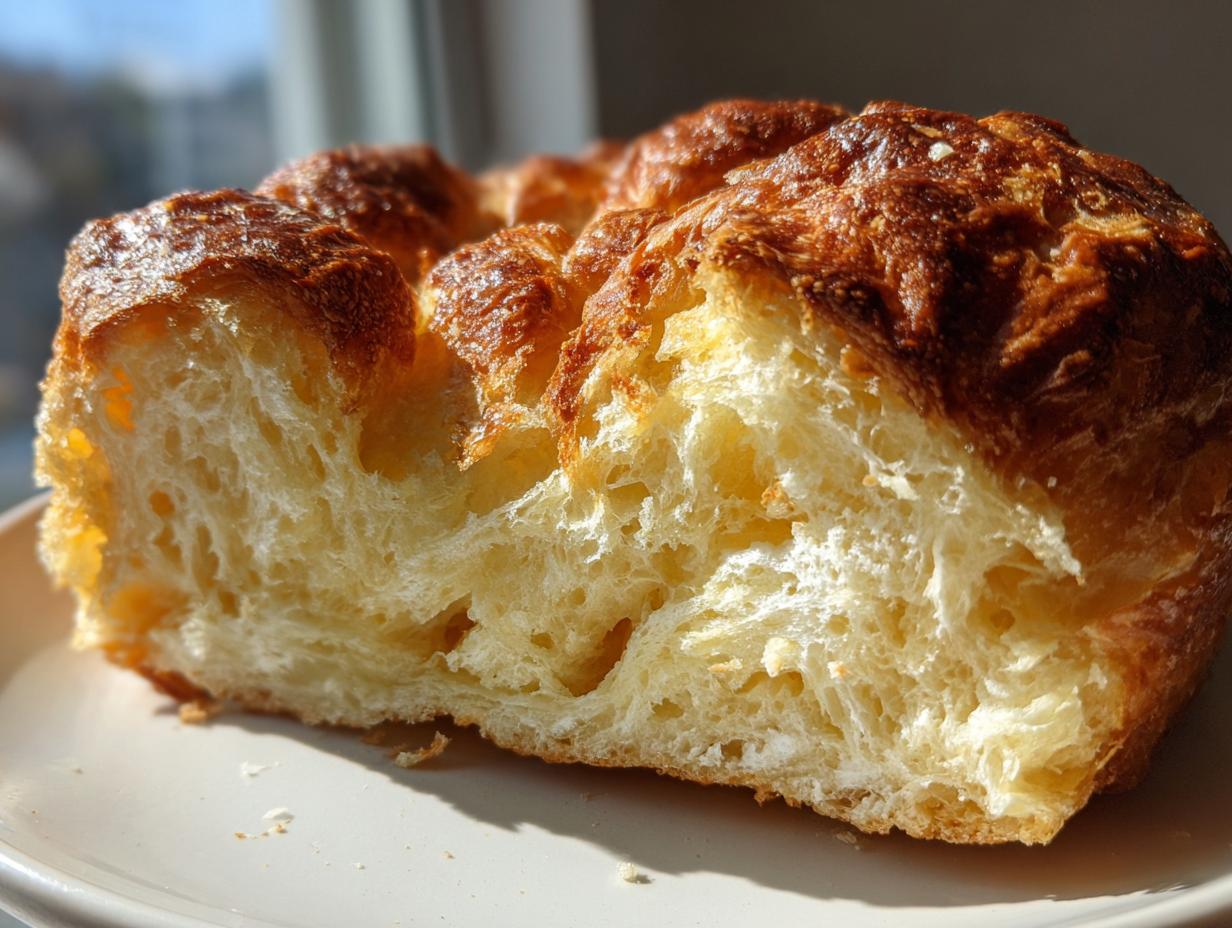
I know what you’re thinking. Sourdough? Brioche? Isn’t that the baking equivalent of trying to assemble Swedish furniture without the instructions? Nope! I promise you, this recipe for sourdough brioche bread is the one that finally breaks down that intimidating wall. We’re taking the deep, complex tang of natural fermentation and mixing it with that rich, buttery softness you usually only find in French bakeries.
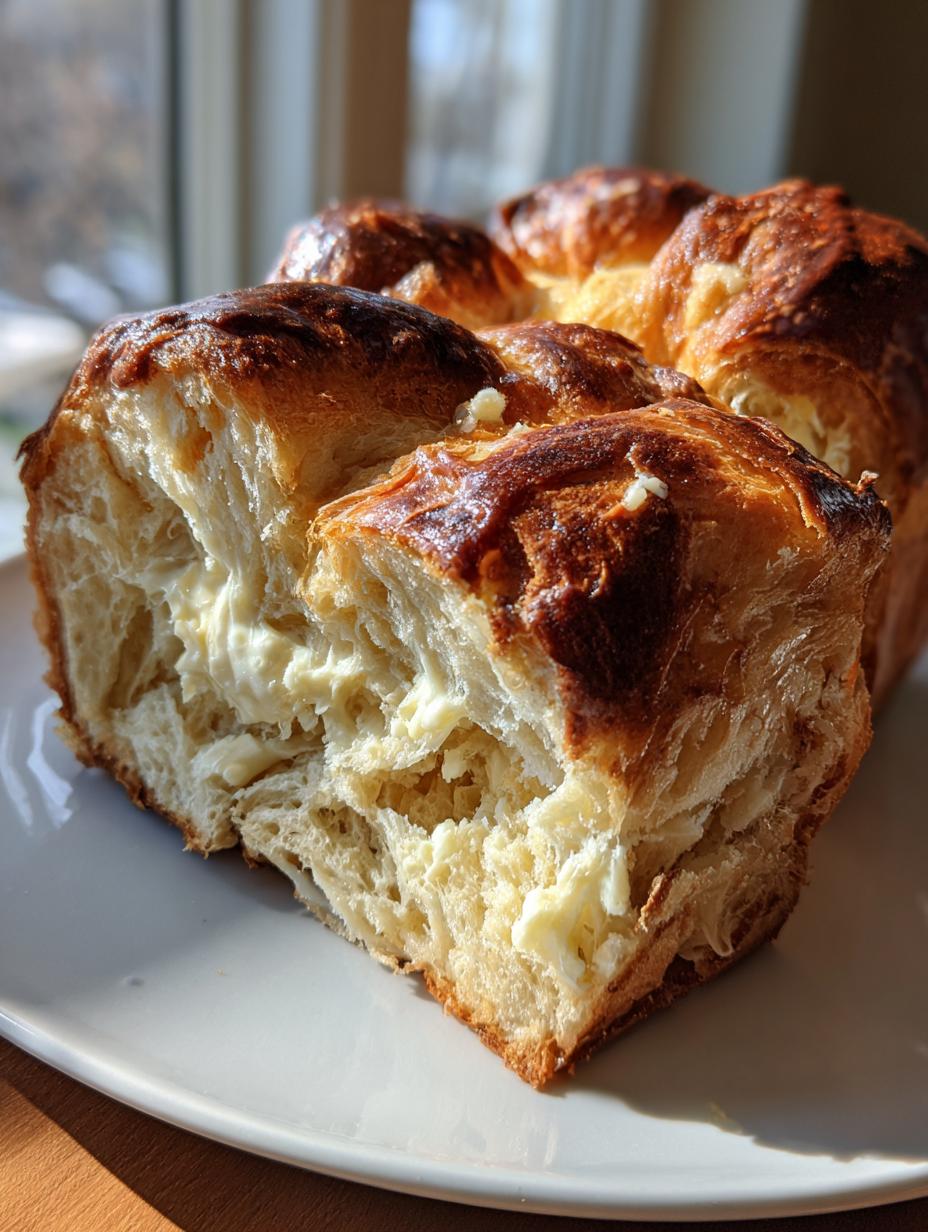
I’ve spent years messing up brioche—it’s either too dense or the butter leaks out everywhere. But this method? It’s tried, tested, and perfected right here in my own kitchen. It uses simple pantry staples, and the long, slow fermentation builds incredible flavor without you having to stand over the mixer all day. Trust me, the first time you pull this golden, fragrant loaf out of the oven, you’ll feel like a baking master. We are going to make a soft, pull-apart loaf that you won’t believe you made yourself.
Why This Sourdough Brioche Bread Recipe Works for Beginners
The biggest hurdle with brioche is usually the butter. People panic about incorporating that much fat into the dough. But here’s my secret: we let the sourdough starter do most of the initial heavy lifting! We mix the liquids and flour first, let it rest, and then add the butter slowly.
You don’t need fancy equipment or hours of constant kneading. We rely on time—the slow rise of the sourdough—to develop the gluten structure. This means less work for you and a more flavorful result. If you can keep your starter happy, you can absolutely nail this sourdough brioche bread. Seriously, don’t be intimidated by the ingredient list; it’s all about technique, and I’ll walk you through every single easy step. You can see more of our baking adventures on Pinterest.
Essential Ingredients for Your Sourdough Brioche Bread
Okay, let’s talk about what goes into this amazing sourdough brioche bread. Since we are relying on natural fermentation, the quality of what you put in really shines through. This isn’t the time to skimp on the basics, especially the fat and the eggs. That beautiful golden color and rich mouthfeel? That comes straight from high-quality butter and eggs that are ready to play nice with the dough.
I’ve kept the ingredient list surprisingly short because the sourdough starter brings so much flavor complexity on its own. We need bread flour because it has the strength to handle all that butter we’re about to add without tearing apart. And please, please, make sure your eggs and butter are at the right temperature before you start mixing!
Precise Ingredient Measurements for Sourdough Brioche Bread
The recipe below is precise, and sticking to it is super important when you’re dealing with enriched dough like this. The most common mistake people make when baking this sourdough brioche bread is using butter straight from the fridge. It needs to be soft—like, easily mashable with your finger, but not shiny or melted at all.
Also, room temperature eggs are a non-negotiable! Cold eggs shock the dough and make it harder to mix everything smoothly. If you forget to take them out, just place your eggs in a bowl of warm (not hot!) water for about ten minutes before you start. You can find the exact amounts listed right below this section in the ingredients table—just follow those numbers exactly, and you’ll be set! For more baking tips, check out our Medium page.
Equipment Needed to Bake Sourdough Brioche Bread
You don’t need a massive stand mixer, but a few key tools make baking this sourdough brioche bread so much easier. If you have a sturdy bowl and a wooden spoon, you can manage the initial mix, but a stand mixer with a dough hook really saves your arms when it comes time for kneading. If you’re looking for other great baking projects, check out our collection of bread recipes.
The most important piece of equipment, besides your oven, is a standard 9 by 5 inch loaf pan. Make sure it’s well-greased! You’ll also want a flexible silicone spatula for scraping down the bowl when you add the butter, and kitchen scale is always helpful for accuracy, even if I list cups.
Step-by-Step Instructions for Perfect Sourdough Brioche Bread
This is where the magic happens, but don’t rush anything! We are building structure slowly so that we can load it up with butter later without disaster. Remember, we are aiming for that soft, buttery texture that makes this sourdough brioche bread so famous. The whole process relies on patience, especially during the resting stages.
Mixing and Initial Fermentation of Sourdough Brioche Bread
First things first, get your wet ingredients happy. Whisk together your active starter, milk, sugar, room temperature eggs, and salt in a big bowl until it looks uniform. Then, add all your bread flour on top and mix it with your hands or a spoon until you just have a shaggy, messy ball of dough. Don’t worry about kneading yet! This is key: cover that messy dough and let it rest for 20 minutes. This short rest lets the flour fully hydrate before we start working it—it’s what I call the ‘mini-autolyse’ step.
After that 20 minutes, it’s time to develop some strength. Knead it for about six minutes, either by hand or using your mixer hook. The dough will still feel a little rough. Now comes the fun, slow part: incorporating the butter. Add the softened butter one tablespoon at a time. Seriously, wait until one piece is totally mixed in before adding the next. This process takes time, maybe another six minutes of kneading, but it’s what creates that gorgeous, glossy dough texture.
Kneading Technique and Butter Incorporation for Soft Crumb
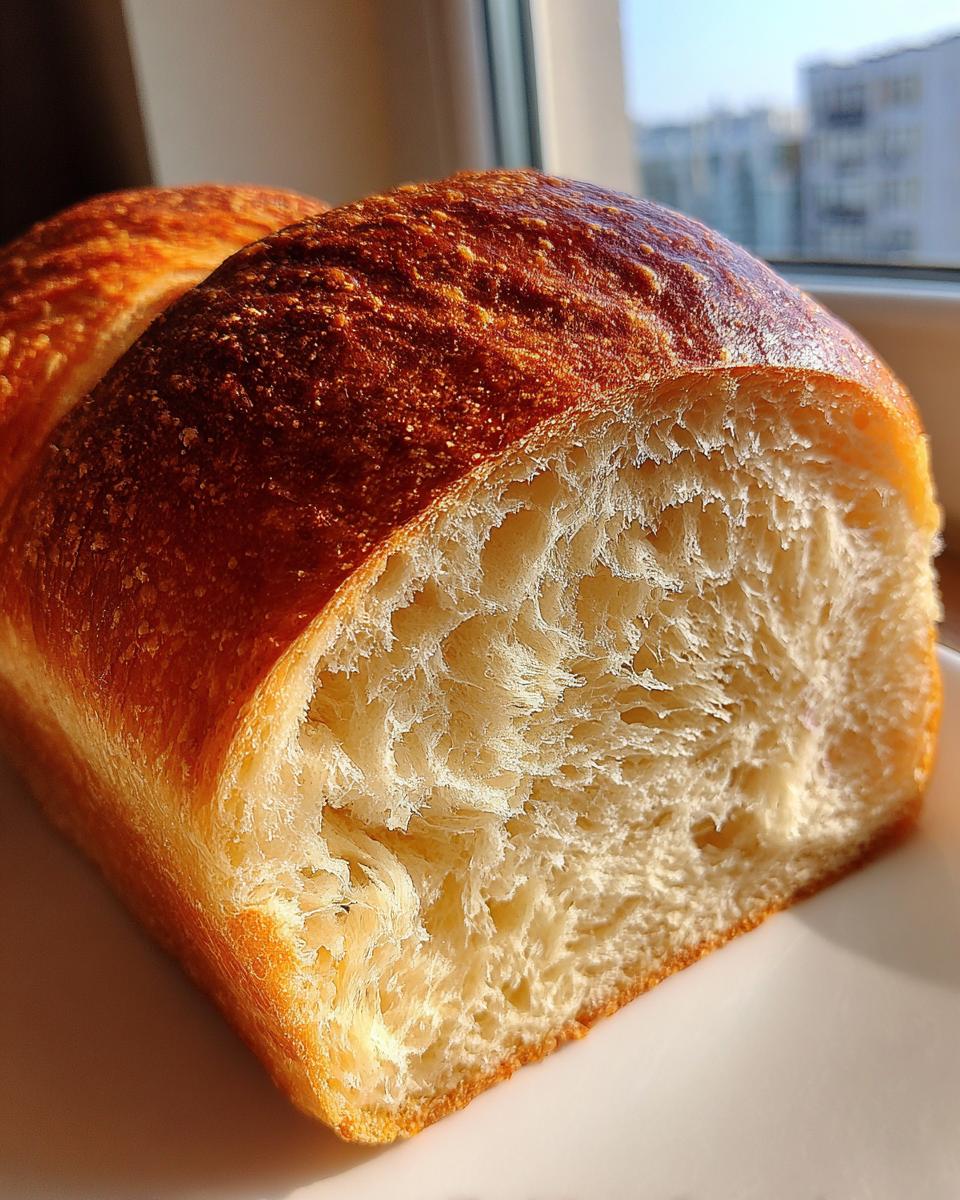
When you think the butter is fully incorporated, keep kneading! You’re looking for a dough that pulls away from the sides of the bowl cleanly and looks smooth, almost like silk, not sticky or greasy. If it feels like it’s tearing apart, just keep mixing; the gluten will catch the fat and come together. This is the single most important thing for getting that signature soft crumb in your sourdough brioche bread.
Once it’s smooth, shape it into a tight ball. Put it in a lightly oiled bowl, cover it tight, and let it sit on your counter until it doubles in size. Depending on how warm your kitchen is, this could take about five hours. Don’t stick it in the fridge right away! You can connect with us on Facebook for community support.
Shaping and Final Proofing Your Sourdough Brioche Bread
When it’s doubled, gently turn the dough out onto a clean surface—no flour needed! Gently deflate it just enough to reshape it into a neat log that fits your greased 9×5 inch loaf pan. Tuck the ends under to create surface tension. Cover that pan loosely so the dough doesn’t dry out, and let it proof again. This second rise is crucial for the final texture of your sourdough brioche bread.
You know it’s ready when the dough has crowned about one inch above the rim of the pan. This usually takes about three hours, but watch the dough, not the clock! If you poke it gently, the dent should spring back slowly, not immediately. That means it’s perfectly proofed and ready for the oven.
Baking and Cooling Your Golden Loaf
Preheat your oven to 375°F well before you think you’re ready to bake. For the egg wash, whisk that last egg with the tablespoon of milk until it’s completely uniform. Brush this gently over the top of the loaf—don’t scrub it, or you might deflate the rise! Bake it for about 35 minutes. You want a deep, rich golden brown color, and if you have a thermometer, aim for 190°F inside. Let it cool in the pan for just 10 minutes before carefully turning it out onto a wire rack. You absolutely must let it cool completely before slicing, or you’ll ruin that beautiful, soft internal structure!
Tips for Success with Your Sourdough Brioche Bread
Baking this rich sourdough brioche bread is rewarding, but a couple of things can trip you up if you aren’t prepared. The absolute number one pitfall is the butter temperature. If your butter is too cold, it won’t incorporate; it will just stay in clumps and tear the gluten strands you worked so hard to build. If it’s melted, the dough will turn soupy and greasy almost instantly.
Also, pay close attention to your kitchen temperature during the long rises. If your house is chilly (say, below 70°F), that five-hour initial rise might stretch to seven. If it’s really hot, you might only need three! Watch the dough—when it looks doubled and puffy, it’s ready. Don’t stress about the clock; stress about the visual cues. Following these small rules ensures your loaf is perfectly soft every single time.
Understanding the Nutrition in Sourdough Brioche Bread
When you bake something this rich and delicious, you naturally wonder what exactly you’re eating! This sourdough brioche bread is an enriched loaf, meaning it has more fat and sugar than a standard country loaf, which is why it tastes so decadent. We’ve calculated the basic nutritional breakdown per slice, but because this is a homemade recipe, the exact numbers can vary based on how much butter truly incorporated.
I always want to be totally transparent about what’s in the food I share. Please remember that the following information is an estimate only:
Disclaimer text only.
Storing and Reheating Your Homemade Sourdough Brioche Bread
Because this sourdough brioche bread is so rich with butter and eggs, it actually stays surprisingly fresh at room temperature longer than lean loaves do. The key to keeping that soft, pull-apart crumb intact is avoiding the refrigerator at all costs! Cold temperatures make the butter solidify and turn your beautiful brioche stale fast.
Store it tightly wrapped in plastic wrap or tucked into an airtight container on the counter. If you have a very warm kitchen, slicing it and freezing the extra slices is the best long-term option. When you’re ready to enjoy a slice, never put it in the microwave—it gets rubbery!
To bring it back to life, a quick toast or a very light warming in a toaster oven is perfect. You want to gently re-melt that butter for that fresh-baked softness. Here’s a quick guide for keeping your loaf perfect:
- Room Temperature (Wrapped): Up to 3 days
- Freezer (Airtight): Up to 2 months
- Reheating Method: Toaster Oven or Light Toasting
Common Questions About Baking This Sourdough Brioche Bread
I always get questions about this recipe because it sits right between two baking worlds—sourdough and classic brioche. People often worry about their starter or what happens if the dough just won’t rise right. Here are the top things I hear about making this sourdough brioche bread perfect.
Q: My active sourdough starter isn’t very bubbly. Will it still work?
It needs to be active, meaning it should double or triple in size within 4 to 6 hours after feeding. If yours is sluggish, you need to feed it twice before using it in the recipe. A weak starter means weak lift, and you need strength to support all that butter!
Q: What if my dough feels sticky even after kneading?
That’s the brioche fat talking! If the dough is still sticky after the initial 6 minutes of kneading (before the butter), don’t panic. It should feel tacky but manageable. If it’s ripping apart when you try to add the butter, that means the gluten hasn’t developed enough. Keep kneading for a couple more minutes before adding the first bit of butter. Remember, the butter itself will eventually tighten the dough up.
Q: My kitchen is cold. How long should the first rise really take?
This is where you have to listen to your dough, not the clock. If your kitchen is chilly, that five-hour rise could easily become seven or even eight hours. The goal is doubling in size. If you rush it, the final proof will take forever, and your sourdough brioche bread won’t have that wonderful airy texture.
Q: Can I use instant yeast instead of sourdough starter?
You certainly can if you are in a real pinch, but you’ll lose that complex, slightly tangy flavor that makes this loaf so unique! If you substitute, use about 2 teaspoons of instant yeast mixed in with the dry ingredients, and cut your total rising time down significantly. It will bake up like a standard sweet loaf, not quite the same as this naturally leavened version.

Amazing 3 Step Sourdough brioche bread
- Total Time: 65 minutes
- Yield: 10 slices
- Diet: Vegetarian
Description
Bake a tender sourdough brioche style bread with rich flavor, soft crumb, and golden crust using simple pantry staples and natural fermentation. This loaf is rich, softly textured, and lightly sweet with a classic pull apart crumb.
Ingredients
- 1 cup active sourdough starter
- 3 cups bread flour
- 3 large eggs at room temperature
- 1/4 cup whole milk warmed
- 1/4 cup granulated sugar
- 1 teaspoon fine sea salt
- 10 tablespoons unsalted butter softened
- 1 large egg (for egg wash)
- 1 tablespoon whole milk (for egg wash)
Instructions
- Add sourdough starter, milk, sugar, eggs, and salt to a large bowl and whisk until smooth.
- Add bread flour and mix until a shaggy dough forms. Rest the dough for 20 minutes.
- Knead the dough by hand or mixer for 6 minutes until elastic. Incorporate butter one tablespoon at a time and knead 6 more minutes until glossy and smooth.
- Shape the dough into a ball, place in a lightly greased bowl, cover, and let rise at room temperature until doubled, about 5 hours.
- Turn the dough onto a clean surface, gently deflate, and shape into a loaf. Place into a greased 9 by 5 inch loaf pan.
- Cover and proof until the dough crowns 1 inch above the pan, about 3 hours.
- Heat the oven to 375°F. Whisk egg and milk and brush gently over the loaf.
- Bake for 35 minutes until deep golden and the internal temperature reaches 190°F.
- Cool in the pan for 10 minutes, then transfer to a rack to cool completely before slicing.
Notes
- Use room temperature eggs for better dough incorporation.
- Ensure the butter is soft, not melted, when adding to the dough.
- The total rising time is approximate and depends on your kitchen temperature.
- Prep Time: 30 minutes
- Cook Time: 35 minutes
- Category: Bread
- Method: Baking
- Cuisine: American/French