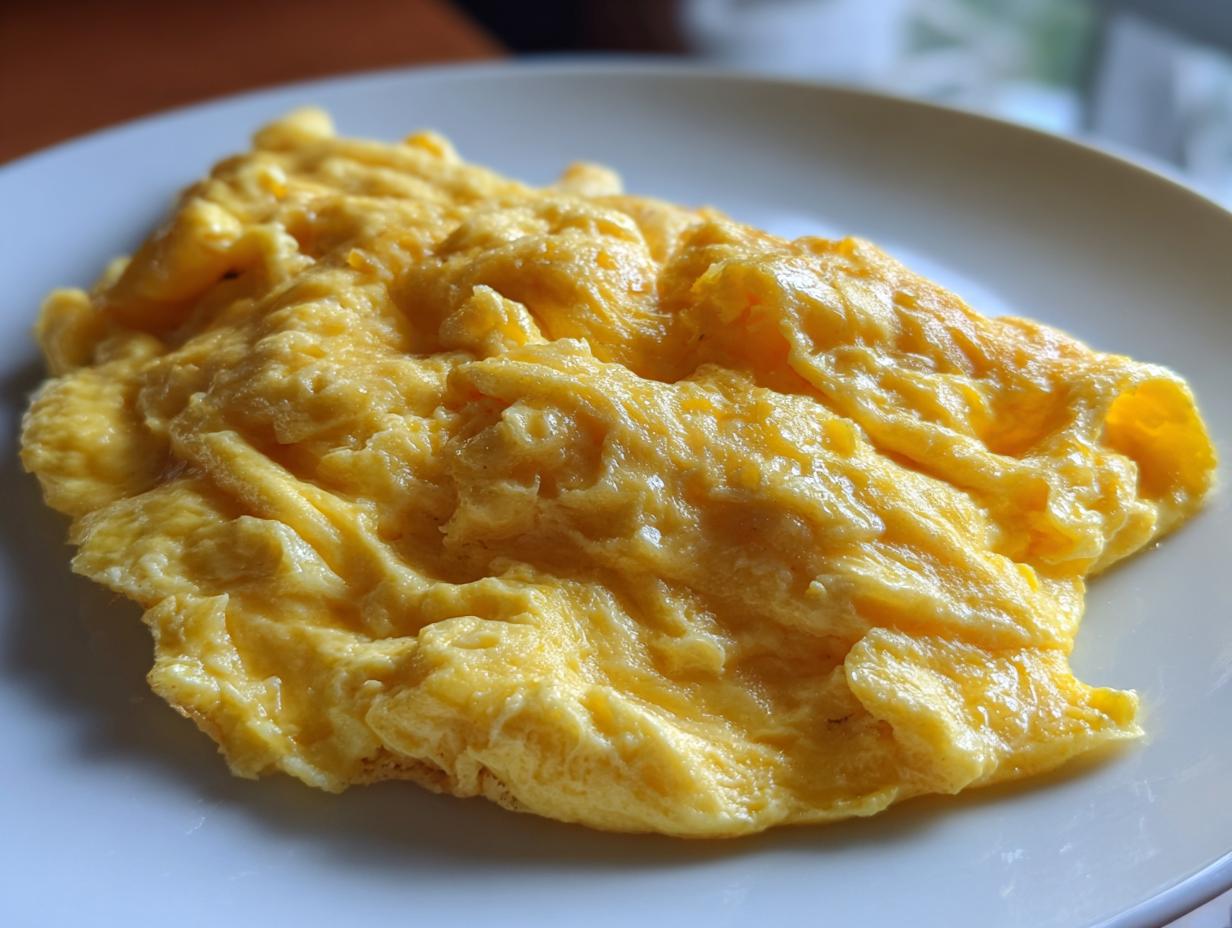
omelette with butter and eggs. When I first started cooking, breakfast was my biggest hurdle. Everything came out rubbery or burned, especially eggs. I seriously thought making a truly soft, tender breakfast was reserved for professional chefs, not guys learning to boil water! That’s why this recipe changed everything for me. It’s the perfect five-minute meal that proves you don’t need complicated ingredients to achieve incredible results. We are talking pure, silky perfection here, folks, made with just three simple things: eggs, butter, and a little seasoning.
I spent weeks trying to get that classic French texture—creamy, pale yellow curds that melt in your mouth. I learned the hard way that heat control is everything. If you tackle this omelette with butter and eggs with patience—and trust me, I mean *low* heat—you’ll see the difference immediately. This recipe is my go-to demonstration for my ‘Noob Recipes’ audience: simple technique beats fancy ingredients every single time. Forget tough, dry scrambles; we are making something elegant in less time than it takes to find your car keys.
Gathering What You Need for Your omelette with butter and eggs
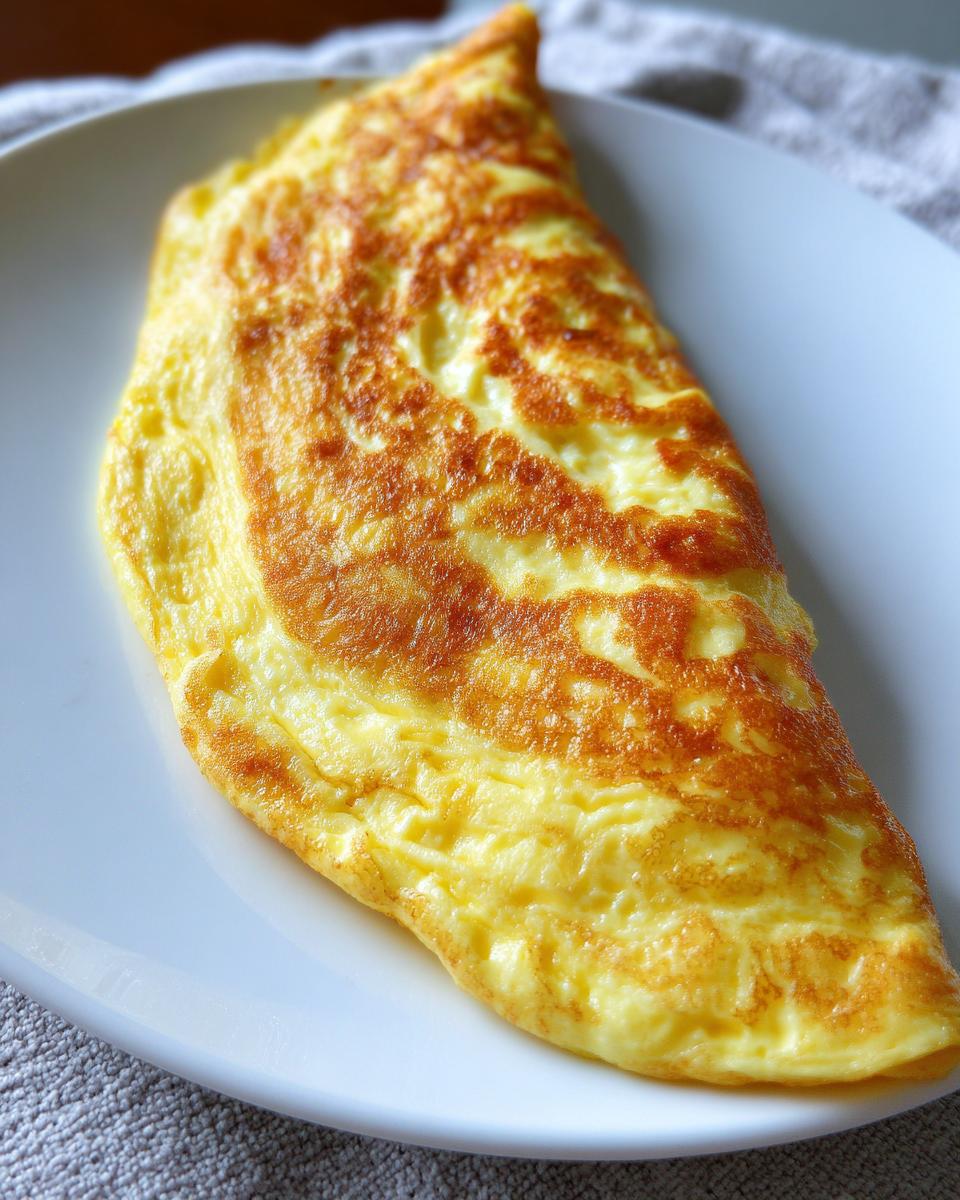
Honestly, the beauty of this classic French preparation is how few things you actually need. If you have these basics, you are already 90% of the way to a perfect, soft breakfast. Don’t stress about fancy additions yet; we master the base first! Keep your measurements precise here, especially the butter, because that’s where the flavor and the non-stick magic happen.
Essential Ingredients for omelette with butter and eggs
| Item | Amount | Notes |
|---|---|---|
| Large Eggs | 3 | Must be fresh for the best texture. |
| Unsalted Butter | 1 tablespoon | Crucial for flavor; don’t skimp! |
| Fine Salt | 1/8 teaspoon | Use fine salt so it dissolves easily. |
| Black Pepper | Pinch | Freshly ground is always best for aroma. |
Equipment for Perfect omelette with butter and eggs
You absolutely cannot make a successful soft omelette without the right pan. Trust me, I learned this the hard way when my first attempts stuck everywhere! You need a good quality, 8 or 9-inch nonstick skillet. That’s nonnegotiable for easy folding and sliding onto the plate. You’ll also need a whisk or a fork and a heat-resistant rubber spatula for scraping the sides.
Mastering the Technique: How to Make omelette with butter and eggs
This is where the magic happens, and honestly, where most beginners trip up. We aren’t making hard scrambled eggs here; we are aiming for something that looks almost creamy when you cut into it. The entire process, from the pan hitting the heat to plating, takes maybe three minutes total. Speed is important, but precision with the heat is even more important. Follow these steps closely, and I promise you’ll nail that silky texture.
Preparing the Eggs for Your omelette with butter and eggs
First things first: the whisking. Grab your three eggs, your salt, and your pepper. Put them in a bowl. Now, here is the key—you need to whisk them just until they are uniform. I mean it! You want the yolks and whites completely blended, smooth, and pale yellow. If you whisk too much, you’ll incorporate too much air, and that air turns into large, dry, bubbly curds when it hits the heat. We want small, tender curds, so whisk until you see no streaks, but stop before it looks like dishwater foam. Just smooth is perfect.
Gentle Cooking of Your omelette with butter and eggs
Next, the heat. Set your nonstick pan—the 8 or 9-inch one—over medium-low heat. This is critical. If the heat is too high, the bottom will brown before the middle cooks, and you’ll end up with a tough layer. Add the tablespoon of butter. You want that butter to melt and start foaming quietly, making little bubbles, but it should absolutely *not* brown. The moment the butter stops foaming and starts turning golden brown, pull the pan off the heat and start over with fresh butter; that’s how sensitive this recipe is!
Once the butter is quietly foaming, pour in your smooth egg mixture. Immediately grab your rubber spatula. Start making small circles while gently scraping the sides and bottom of the pan. This constant, gentle movement is what creates those beautiful, fine curds we talked about. Keep stirring and scraping for about 30 to 45 seconds. You need to stop stirring the second the bottom starts to set but the top is still very glossy and wet. Shake the pan gently to let any remaining liquid egg run underneath the setting curds.
The Final Fold and Presentation of Your omelette with butter and eggs
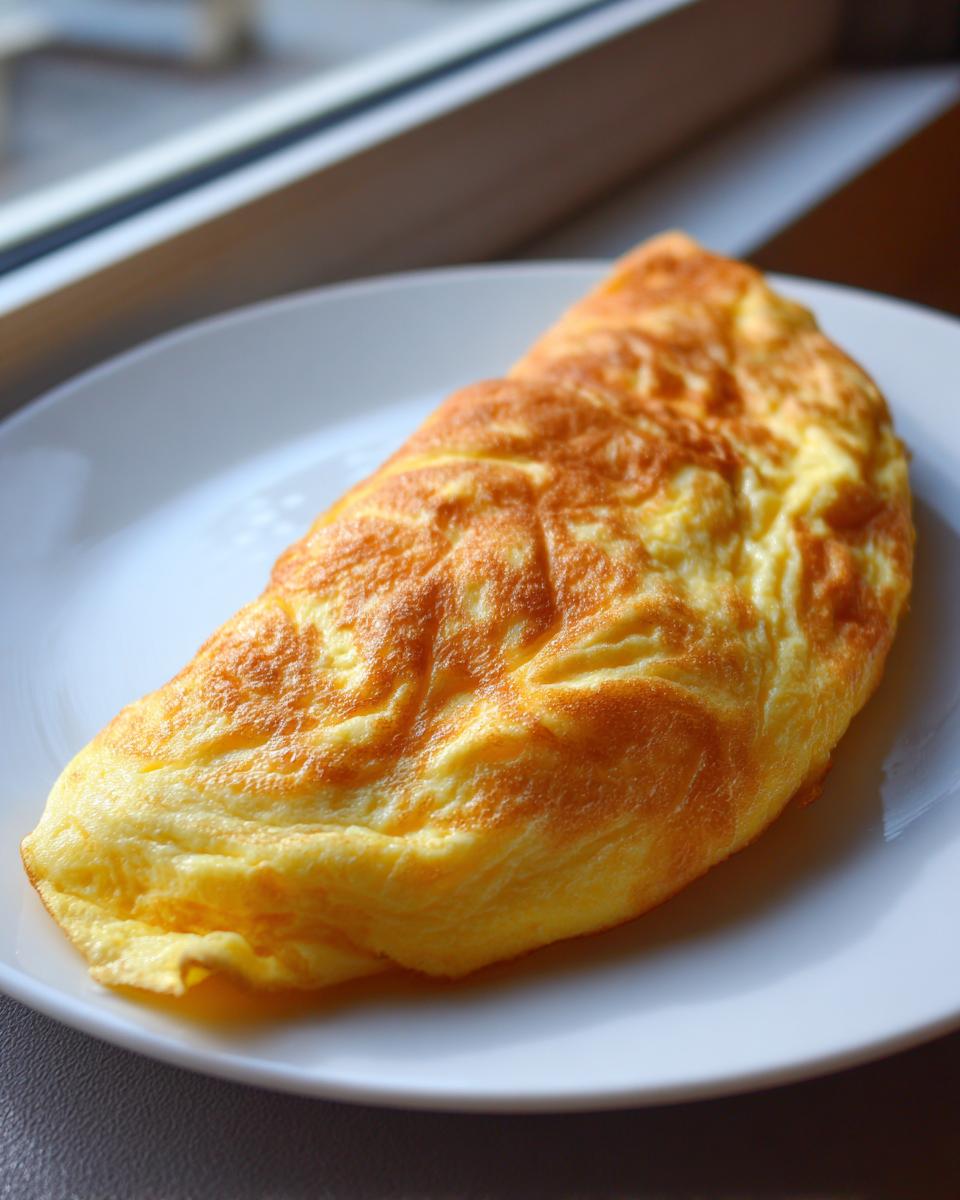
Now we stop cooking actively. Tilt the pan away from you slightly. Use your spatula to gently fold one side—about a third of the way—over the center. If you’re using chives or cheese, sprinkle them lightly down the middle now. Then, holding the handle, give the pan a little tap or shake to encourage the omelette to roll over onto itself, creating a neat oval shape, or a tight third-fold if you prefer. The entire top surface should still be pale yellow. We are avoiding any brown spots at all costs!
Finally, take the pan right over your warm plate. Tilt the pan sharply and use the edge of the pan to help slide the omelette onto the plate so it lands seam-side down. Give it a final, tiny grind of fresh black pepper right on top. That’s it! It should be tender enough that you can practically cut it with a fork.
Tips for Truly Silky omelette with butter and eggs
If your omelette ends up tough or rubbery, it’s almost always down to two things: over-whisking or too much heat. Remember how I stressed medium-low? Stick to that! High heat cooks the proteins too fast, squeezing out all the moisture we worked hard to keep in there. Don’t even think about turning that dial up halfway through!
For an even softer set, I learned a great trick: add just a teaspoon of water to your whisked eggs before they hit the pan. It seems odd, but that extra bit of liquid steams slightly and keeps the final texture incredibly tender. Also, remember those chives? If you’re adding fresh herbs, sprinkle them in right before the final fold. They won’t wilt or turn brown, keeping that fresh, bright flavor right against the silky egg.
And seriously, if you think your pan isn’t nonstick enough, don’t risk it! A ruined omelette is just lost time. If you have any doubt about sticking, use a tiny bit of butter to grease the sides after the first pour, just to give yourself a little insurance policy before you start folding.
Simple Variations for Your omelette with butter and eggs
Once you master the basic technique for this beautiful omelette with butter and eggs, you can start playing around a little bit. But remember, we are keeping it clean and simple here at NoobRecipes. The goal isn’t to weigh it down; it’s just to add a little pop of flavor!
My favorite easy addition is fresh herbs. Finely chopped chives or parsley are fantastic. You want to sprinkle them right over the top of the slightly wet eggs just before you start the final fold. They stay bright green and taste so fresh against the rich butter.
If you really crave cheese, use it sparingly. Maybe a tablespoon of a nice, soft cheese like Gruyère or even a mild cheddar. Sprinkle that cheese right on top of the eggs when the bottom is set but the top is still glossy. It melts perfectly into the folds without making the whole thing heavy. Keep the additions minimal so you can still taste that incredible texture from the butter and eggs!
Frequently Asked Questions About Your omelette with butter and eggs
It’s totally normal to have questions when you’re learning a technique this specific. I get asked all the time how to keep things from going wrong. Remember, the secret to this dish is gentle handling and patience, even though it’s a super quick meal!
Can I increase the heat to cook the omelette faster?
Please don’t! I know we all want a faster breakfast, but turning up the heat is the number one way to ruin this omelette. High heat makes the proteins in the eggs seize up instantly, resulting in a tough, rubbery texture and often a browned exterior. We are aiming for a pale, tender surface, so keep that heat consistently medium-low throughout the whole process.
How can I ensure my omelette stays soft and not rubbery?
To guarantee that soft omelette texture, focus on two things. First, don’t over-whisk the eggs; stop as soon as they are uniform to avoid dry curds. Second, pull the pan off the heat while the top is still visibly glossy. The residual heat will finish setting the eggs perfectly without overcooking them. It should feel almost underdone when you fold it!
Is this a suitable quick breakfast option?
Absolutely! This is the ultimate quick breakfast. The prep is two minutes, and the cooking is about three minutes total. If you are someone who usually defaults to cereal or toast because you think eggs take too long, this recipe proves you wrong. It’s fast, filling, and requires almost no cleanup if you use that good nonstick pan.
Storing and Reheating Your omelette with butter and eggs
Look, the best way to eat this incredible omelette with butter and eggs is immediately. That silky texture degrades fast once it cools down. But hey, life happens! If you have leftovers, cover them tightly in plastic wrap or put them in an airtight container. You can safely keep them in the fridge for up to two days.
Reheating is tricky because you risk drying them out. I strongly suggest reheating very gently in a nonstick pan over the lowest possible heat setting, maybe adding a tiny pat of fresh butter. Microwaving is generally a disaster for omelettes; it usually turns them into hard little sponges, so I avoid it if I can.
| Storage Method | Duration |
|---|---|
| Airtight Container (Refrigerated) | Up to 2 days |
Sharing Your Creation
Seriously, I want to know how your first perfect, pale yellow omelette turned out! Did you manage to get those silky curds without any browning? Don’t be shy—let me know in the comments below if you tried adding chives or a sprinkle of cheese. Your success stories keep me motivated to prove that anyone can master simple cooking techniques! You can also follow our latest recipes on Facebook or save this idea on Pinterest.
Print
3 minute omelette with butter and eggs magic
- Total Time: 5 minutes
- Yield: 1 serving
- Diet: Vegetarian
Description
Master a soft, tender omelette with just butter, eggs, salt, and pepper in 5 minutes using gentle heat and a nonstick pan. This classic butter omelette creates silky, tender breakfast curds.
Ingredients
- 3 large eggs
- 1 tablespoon unsalted butter
- 1/8 teaspoon fine salt
- Pinch freshly ground black pepper
Instructions
- Crack eggs into a bowl, add salt and pepper, and whisk just until smooth and uniform without excessive foam.
- Set an 8–9 inch nonstick skillet over medium-low heat and add butter; it should melt and foam quietly without browning.
- Pour in eggs and immediately use a spatula to make small circles, gently stirring while scraping the sides to form fine, soft curds.
- As the bottom sets but the top is still glossy, stop stirring and shake the pan to level the eggs.
- Tilt the pan and fold one side toward the center, then fold again to create a neat oval or thirds; avoid browning the surface.
- Slide seam-side down onto a warm plate and finish with a little pepper; serve immediately.
Notes
- Add a teaspoon of water to whisked eggs for a softer set.
- Sprinkle chopped chives or parsley before folding for a fresh finish.
- Melt a little cheese inside just before folding for extra richness.
- Keep heat medium-low to prevent tough, browned eggs.
- Whisk just until homogenous; too much air makes large, dry curds.
- Leftovers can be refrigerated up to 2 days, covered.
- Prep Time: 2 minutes
- Cook Time: 3 minutes
- Category: Breakfast
- Method: Stovetop
- Cuisine: French/American