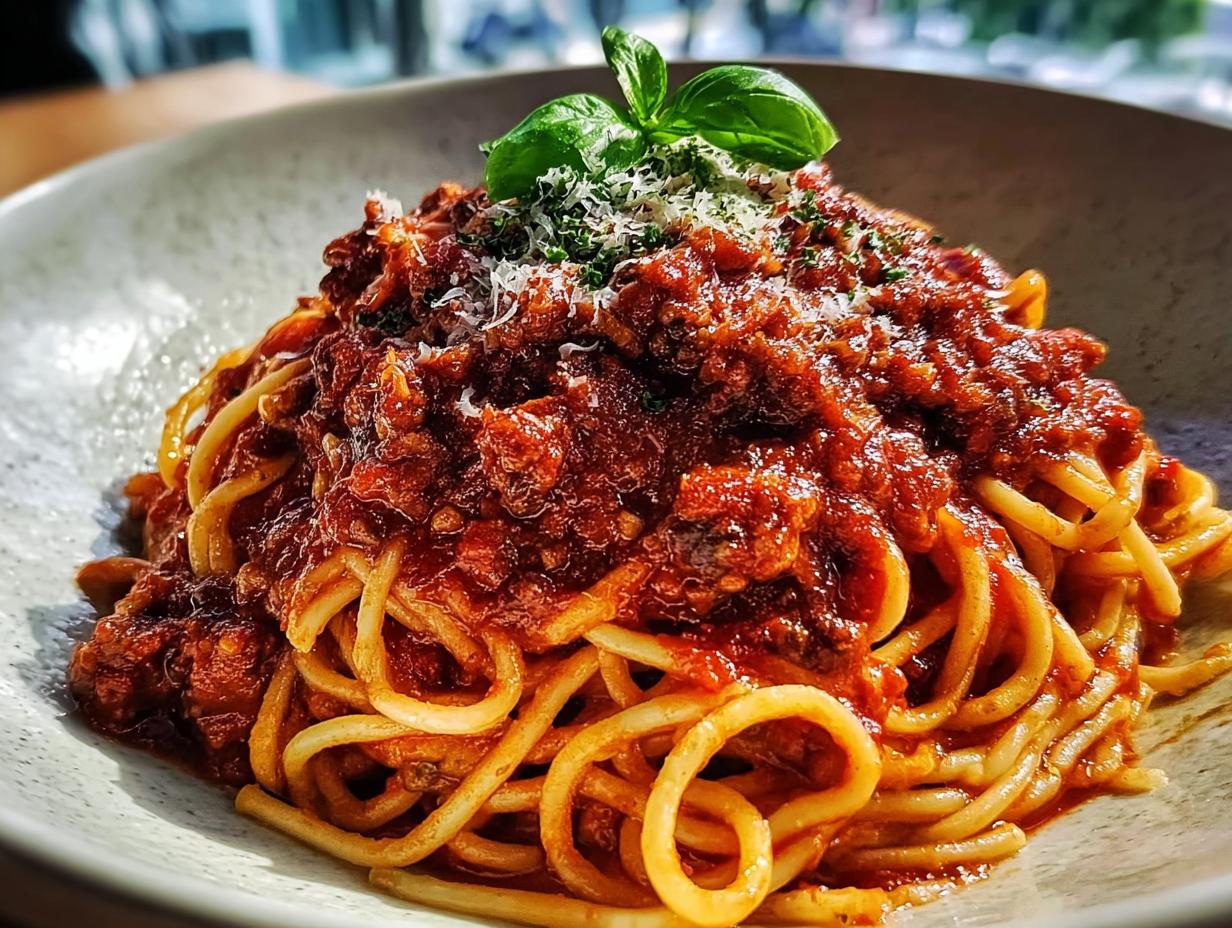
Forget those jars of watery, bland tomato sauce you grew up eating! If you want a truly authentic, rich, deeply flavored Italian spaghetti sauce that tastes like it simmered all day—even though it barely takes an hour—you’ve come to the right place. This isn’t just any recipe; this is my family’s 130-year-old classic.
I remember being terrified to try making sauce from scratch when I first moved out. I thought it involved complicated techniques or fancy Italian nonna secrets. But this recipe? It’s shockingly simple. Seriously, if you can dice an onion, you can nail this Italian spaghetti sauce. The magic isn’t in the effort, it’s in the patience during the simmer and the quality of the tomatoes.
This recipe has survived through generations because it’s reliable, it builds incredible flavor from just a few core ingredients, and it tastes like home. It’s the foundation for everything—meatballs, lasagna, or just plain spaghetti. Trust me, once you taste this, you won’t go back to the store-bought stuff, I promise!
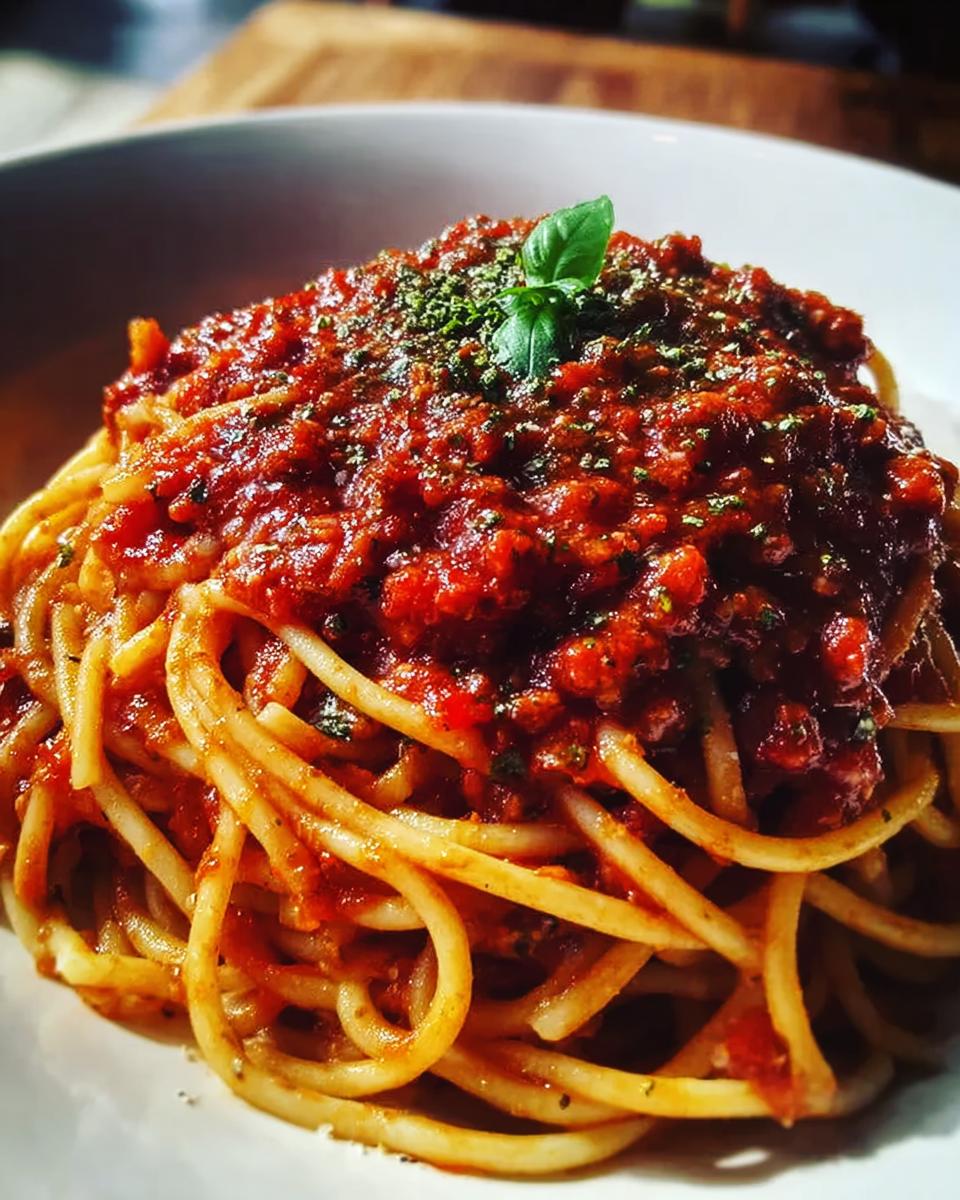
Why You Will Love This Italian Spaghetti Sauce Recipe
Honestly, what’s not to love? This is the kind of sauce you dream about when you think of Sunday dinner. It’s quick enough for a weeknight but tastes special enough for company. It proves that the best Italian spaghetti sauce doesn’t need a million fussy ingredients.
- It’s ready in under an hour total—prep time is minimal!
- The flavor is deep and complex, thanks to the long, slow simmer.
- It’s naturally vegetarian, but it’s the perfect partner for meatballs or sausage if you want to add meat later.
- The recipe is incredibly forgiving, even for beginner cooks.
Simplicity Meets Tradition in This Italian Spaghetti Sauce
When a recipe has been passed down for 130 years, you know it works. That longevity is what builds trust, right? My great-great-grandmother perfected this base, and every generation since has agreed: don’t mess with the core flavor profile. This classic Italian spaghetti sauce uses simple pantry staples, proving that tradition relies on technique, not complexity.
We rely on that tried-and-true method of sautéing the aromatics first. That step is non-negotiable! It ensures every spoonful of this Italian spaghetti sauce has that beautiful, savory depth that only comes from time-tested cooking.
Essential Equipment for Making Italian Spaghetti Sauce
You don’t need a fancy Italian kitchen setup for this, thank goodness. I work with what I have, and this recipe is super adaptable. You’ll want a pot big enough to hold all those tomatoes without it looking ready to boil over—a heavy-bottomed saucepan is my go-to because it distributes heat evenly.
- A good, sturdy saucepan or Dutch oven.
- A wooden spoon or silicone spatula for stirring.
- A sharp knife and cutting board for the prep work.
- Measuring spoons.
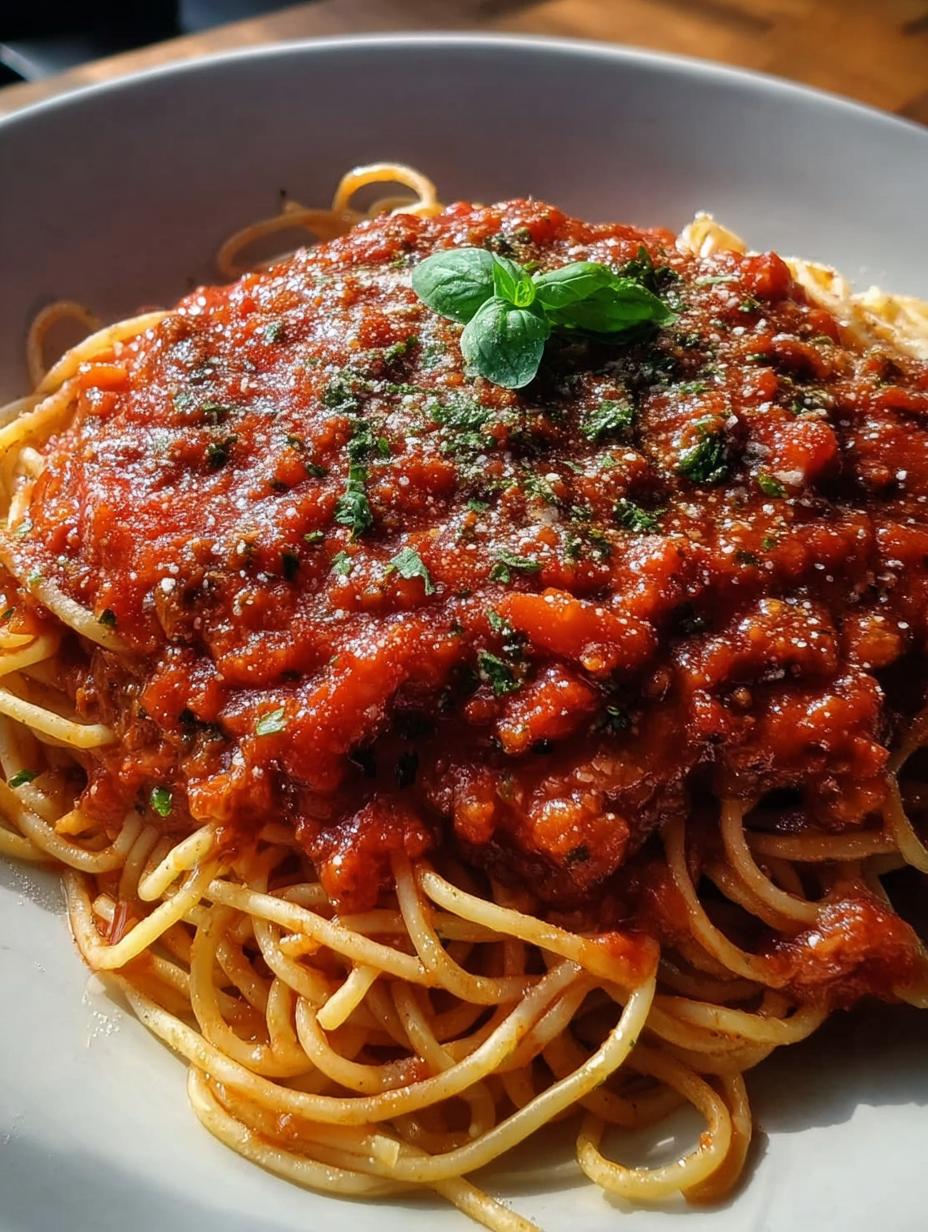
Gathering Your Ingredients for Italian Spaghetti Sauce
Getting everything ready before you turn on the heat is half the battle, trust me. Once that garlic hits the oil, things move fast! Laying everything out like this makes the actual cooking process feel like a breeze. It’s called mise en place, but I just call it “not panicking when the onions start browning too fast.”
Don’t substitute the crushed tomatoes unless you absolutely have to. They give this amazing Italian spaghetti sauce its signature texture—not too chunky, not too smooth. Having your spices measured out is key here, too.
Specific Ingredient Preparation Notes
This is where the flavor starts! Don’t just roughly chop everything; these small ingredients release their flavor better when prepped correctly. Make sure that onion is finely diced so it melts right into the sauce instead of staying in big, crunchy chunks later on.
The garlic needs to be minced—really minced! If you leave it too big, it burns fast when you add it in. And when you measure your crushed tomatoes, make sure you’re using plain crushed tomatoes, not fire-roasted or anything fancy. We want the pure, classic tomato flavor for this Italian spaghetti sauce base.
Step-by-Step Instructions for Classic Italian Spaghetti Sauce
Okay, time to get cooking! I always put my water on to boil for the pasta while I start the sauce. That way, everything finishes up at the same time and dinner is hot and ready. Remember, this is where we build the foundation of flavor for our amazing Italian spaghetti sauce. Don’t rush the sautéing!
Building the Flavor Base
First things first: grab that heavy saucepan and set it over medium heat. Drizzle in the olive oil—just enough to coat the bottom nicely. Once the oil shimmers a little, toss in your finely diced onion. You need to cook these low and slow for about five minutes. We aren’t browning them; we want them soft, sweet, and translucent. That means you can almost see right through them when you look closely!
Once the onion is happy and soft, it’s time for the garlic. This is dangerous territory, so pay attention! Add the minced garlic and stir constantly. Garlic goes from fragrant to burnt in about thirty seconds flat. When you can really smell that sharp, wonderful garlic scent—that’s your cue. Maybe 60 seconds of stirring, tops, then move immediately to the next step before it darkens.
Simmering Your Italian Spaghetti Sauce to Perfection
Now for the main event! Pour in all those glorious crushed tomatoes. Give everything a good stir, making sure you scraped up any little bits stuck to the bottom of the pan—that’s pure flavor, don’t lose it! Next, toss in all your dried herbs: the oregano, the basil, the salt, and pepper. If you are using that teaspoon of sugar to cut the acidity, now is the time to sprinkle it in too.
Bring this whole mixture up to a gentle bubble, just a low simmer. Then, turn that heat way down. We are talking the lowest setting your stove allows. This classic Italian spaghetti sauce needs time to develop those deep, rich notes. I let mine go uncovered for a full 30 to 40 minutes. Uncovered is important because it allows some of the water to evaporate, thickening the sauce naturally.
Stir it every ten minutes or so, just to make sure nothing is sticking to the bottom and burning. If you notice it looks way too thick—like it’s barely moving in the pot—don’t panic! Just splash in a tiny bit of water, maybe a quarter cup max, and stir it in gently. When it’s done, it should coat the back of your spoon beautifully. Give it a final taste test. Does it need a little more salt? Go ahead and adjust it before you toss it with your perfectly cooked pasta!
Tips for Truly Great Italian Spaghetti Sauce
Even though this recipe is simple, a few little tricks can take it from great to absolutely unforgettable. The biggest tip I can give you is about time. If you have an extra thirty minutes, just let it simmer longer. Seriously! The sauce continues to deepen its flavor profile the longer it stays on low heat. It really transforms from a simple tomato sauce into something richer.
Another thing I always do, even if I’m in a rush, is to taste the sauce right before I serve it. Seasoning adjustment is crucial. Sometimes the tomatoes are sweeter that week, and sometimes they are a bit more acidic. Don’t be afraid to add a tiny pinch more salt or a touch more pepper right at the end. It wakes everything up!
Also, never, ever let this sauce boil hard. If it boils vigorously, it breaks down the tomato structure too fast, and you lose that velvety texture we are aiming for. Keep it just barely bubbling—a gentle, lazy simmer is what we want.
Ingredient Substitutions and Flavor Variations
If you happen to have fresh herbs lying around—maybe some fresh basil from your garden—use those instead of the dried ones! You’ll need about three times the amount of fresh herbs compared to dried, and stir them in during the last ten minutes of simmering so they don’t lose all their brightness.
For naturally boosting the sweetness without adding sugar, I sometimes grate a small carrot right into the onions when I’m sautéing them. You can’t taste the carrot at all, I promise, but it adds a lovely, earthy sweetness that balances the acidity beautifully. It’s a trick my Aunt Gina taught me years ago. If you’re looking for other ways to enhance flavor, check out some of our other great recipes like the caramelized onion grilled cheese recipe.
If you want a little kick, a pinch of red pepper flakes added right when you toss in the garlic gives a nice, subtle warmth that cuts through the richness. Just don’t go overboard; we want Italian comfort food, not fire!
Frequently Asked Questions About Italian Spaghetti Sauce
It’s funny how many questions pop up once people start making this recipe for the first time. It usually boils down to timing and texture. Here are the things I get asked most often about this sauce:
Q1. Can I really make this sauce in under an hour?
Absolutely! The active cooking time is about 10 minutes for prep and 30 minutes for the simmer. It’s fast because we rely on quality crushed tomatoes and dried herbs; we aren’t slow-roasting vegetables or meat. It’s perfect for a busy night.
Q2. My sauce seems too thin after 40 minutes. What did I do wrong?
Don’t worry, this happens if your heat was too low, or maybe your tomatoes were a little watery that day! The key is simmering it uncovered. If it’s still too thin, just turn the heat up slightly—still below a full boil—and let it gently bubble for another 10 or 15 minutes. It will thicken up. If you’re in a huge rush, you can make a quick slurry with a teaspoon of cornstarch mixed with cold water and stir that in at the end, but I prefer letting the tomatoes reduce naturally.
Q3. What is the best way to pair this sauce with pasta?
Since this is a classic, medium-bodied sauce, it loves spaghetti, of course! But it’s also fantastic with rigatoni or penne because those shapes grab the sauce nicely. The most important thing is to finish the pasta *in* the sauce. Drain your spaghetti when it’s just shy of done, toss it directly into the simmering sauce, and cook it together for the last minute. That way, the pasta absorbs some of that amazing tomato flavor.
Q4. Can I add meat to this recipe?
Yes, you totally can! If you want to add ground beef or Italian sausage, just brown the meat first in the pot, drain off most of the fat, and then proceed with sautéing the onions and garlic right in the residual flavor left behind. You might need to simmer it a little longer, maybe 15 extra minutes, to make sure the meat cooks through completely.
Storing and Reheating Your Italian Spaghetti Sauce
This sauce is seriously even better the next day, which is a huge bonus for busy weeks! You can definitely store leftovers, and I highly recommend making a double batch just for this reason. Once cooled down completely, transfer the sauce into an airtight container.
For the fridge, it lasts beautifully for about four or five days. If you want to keep it longer, freezing is the way to go. I like freezing mine in small, one-serving portions using freezer bags laid flat—they stack nicely in the freezer that way.
When reheating, the best method is always on the stovetop over low heat, stirring often. If you use the microwave, stop and stir halfway through so you don’t end up with hot spots! Here’s a quick guide:
| Method | Time Estimate | Notes |
|---|---|---|
| Refrigerator (Stovetop) | 10-15 minutes | Stir frequently to ensure even heating. |
| Frozen (Stovetop) | 20-30 minutes | Thaw slightly in the fridge first if possible. |
Share Your Experience with This Italian Spaghetti Sauce
I truly hope this 130-year-old recipe brightens up your dinner table just like it does mine every week. I’m so excited for you to try making this classic Italian spaghetti sauce! Did you notice the difference that slow simmer makes? Let me know in the comments below how it turned out. I love hearing your stories! You can also follow us on Pinterest for more great recipe ideas.
Print
Amazing 130-year Italian spaghetti sauce secret
- Total Time: 40 minutes
- Yield: 4 servings
- Diet: Vegetarian
Description
Authentic Italian spaghetti sauce simmered with onions, garlic, and herbs. A 130-year-old family recipe rich in flavor and perfect for pasta lovers.
Ingredients
- 4 cups crushed tomatoes
- 1 cup finely diced onion
- 2 cloves garlic, minced
- 1 tablespoon olive oil
- 1 teaspoon dried oregano
- 1 teaspoon dried basil
- 1 teaspoon sugar (optional)
- ½ teaspoon salt
- ¼ teaspoon black pepper
- ¼ cup water, as needed
Instructions
- Heat olive oil in a large saucepan over medium heat.
- Add diced onion and sauté for 5 minutes until translucent and fragrant.
- Stir in the minced garlic and cook for 1 minute, stirring constantly to prevent burning.
- Pour in the crushed tomatoes and stir well to combine.
- Add oregano, basil, salt, pepper, and sugar (if using). Stir again.
- Bring the sauce to a gentle simmer, then reduce heat to low.
- Let the sauce simmer uncovered for 30 to 40 minutes, stirring occasionally, until thickened and rich in flavor.
- If the sauce becomes too thick, add a small splash of water to reach desired consistency.
- Taste and adjust seasoning before serving.
- Toss with cooked spaghetti or use as a base for lasagna, meatballs, or baked pasta.
Notes
- For deeper flavor, simmer for up to 1 hour.
- Add a handful of fresh basil or a grated carrot to naturally sweeten the sauce.
- Prep Time: 10 minutes
- Cook Time: 30 minutes
- Category: Sauce
- Method: Simmering
- Cuisine: Italian